
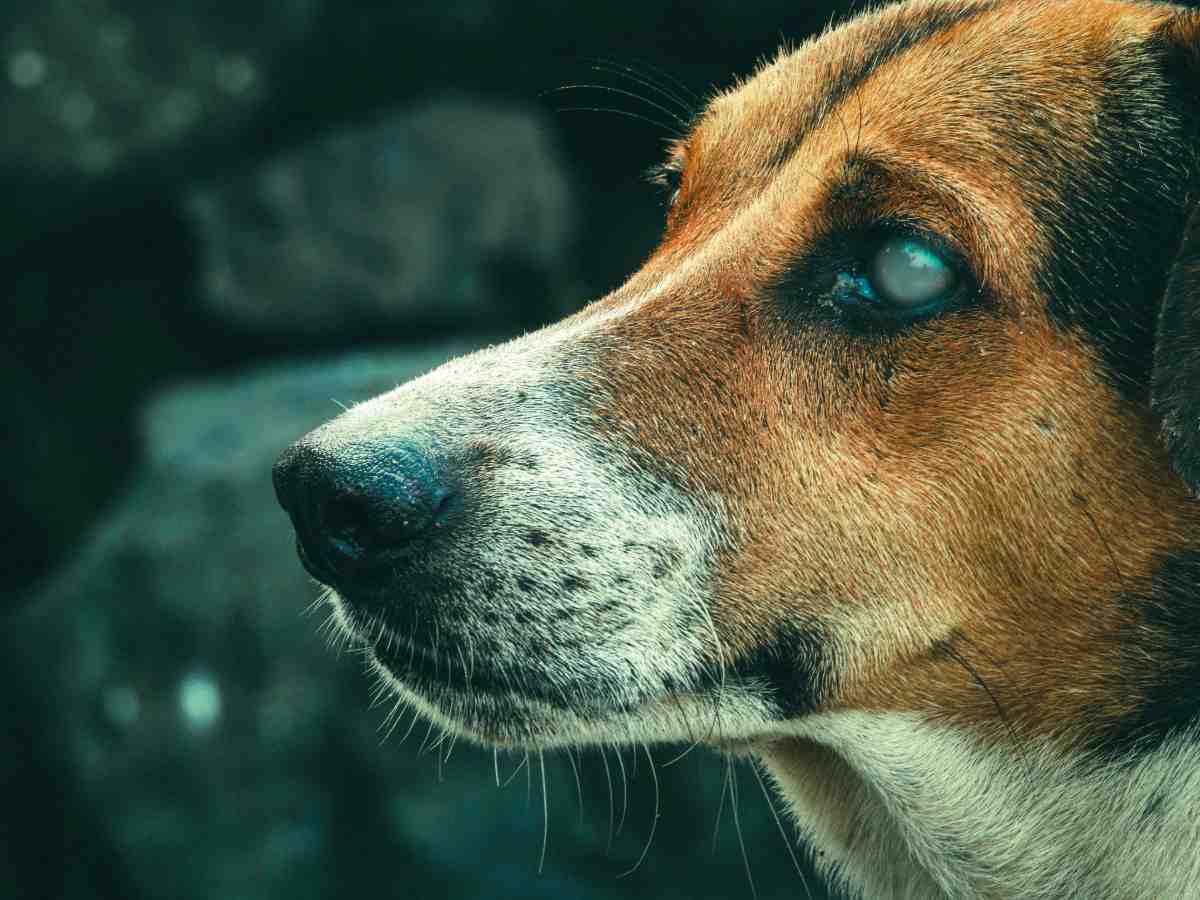
Best Dog Fence for Deaf Blind Dogs: Complete Safety Guide
Choosing a dog fence for deaf blind dogs is not the same as choosing one for a dog who can see and hear. A gap in the fence, a gate left ajar, or a boundary your dog can’t sense can turn a normal afternoon into an emergency.
The good news is that deaf and blind dogs live full, happy lives with the right setup. Below, you’ll find which fences work best, which to avoid, and how to make your yard feel predictable and safe.
Quick Answer: What Is the Best Dog Fence for Deaf Blind Dogs?
The best dog fence for deaf blind dogs is a solid, physical fence 4 to 6 feet tall, with no gaps and a self-latching gate. Dogs can feel it, map it, and trust it. Avoid shock-based invisible fences, and use vibration-only tech strictly as a backup.
Why Deaf and Blind Dogs Need a Different Kind of Fence
Most fencing advice assumes a dog can see the boundary and hear a warning. Your dog may have neither. That is why any dog fence for deaf blind dogs must work without relying on sound or sight.
- Deaf dogs can’t hear a recall command, a warning beep, or you shouting from the porch.
- Blind dogs can’t spot a fence line, a gate, or a hazard, so they navigate by memory, scent, and touch.
- Deaf-blind dogs rely almost entirely on smell, touch, and vibration, so consistency is everything.
A boundary your dog can physically feel is far more reliable than one that depends on a sound or a picture in their head.
Why Invisible (Shock) Fences Are a Poor Fit
Invisible fences work by pairing a warning tone with a static correction. Both parts assume your dog can hear the tone and understand what it means.
For a deaf dog, the warning never registers. The first thing they feel is the correction, with no chance to turn around.
For a blind dog, the boundary is abstract. A sudden zap in a spot that feels like any other patch of lawn is confusing. Many blind dogs respond by freezing or avoiding the yard entirely.
Trainers and veterinary behaviorists also note that aversive corrections can create anxiety in any dog, and dogs with sensory loss already have less information about the world. Because of this, a shock-based system is a poor choice for the job.
If you’re weighing your options, see our guide on [Internal Link: how invisible fences actually work].
Top Fencing Options Compared
The table below compares the most common choices for a dog fence for deaf blind dogs.
| Brand/Feature | Key Highlight | Best For | Rating/Durability |
|---|---|---|---|
| Solid privacy fence (wood or vinyl) | No gaps, blocks visual distractions, easy to feel and follow | Deaf dogs, deaf-blind dogs, most households | ★★★★★ 15–25+ years with upkeep |
| Welded wire with small mesh | Affordable, sturdy, good airflow | Blind dogs in larger yards | ★★★★☆ 10–20 years, depends on coating |
| Chain link with privacy slats | Durable and budget-friendly | Tight budgets, rental-friendly upgrades | ★★★★☆ 15–20 years |
| Exercise pen or portable panels | Instant, movable boundary | Travel, new dogs, temporary areas | ★★★☆☆ Moderate, not for unsupervised use |
| Tactile border (gravel, mulch, mats) | Gives your dog a touch-based “edge” cue | Blind dogs, as an add-on | ★★★☆☆ Needs occasional refreshing |
| Vibration-only GPS collar (backup) | Non-shock feedback, works with a physical fence | Deaf dogs with good training | ★★★☆☆ Battery-dependent, varies by model |
Ratings are general guidance based on typical materials and use. Real-world durability depends on your climate, installation quality, and maintenance.
Option 1: Solid Privacy Fence (Wood or Vinyl)
For most families, a solid privacy fence is the gold standard dog fence for deaf blind dogs. It gives a deaf dog fewer visual triggers to bolt after, such as squirrels or passing dogs. It also gives a blind dog a consistent, touchable edge.

Pros
- ✓ No gaps for paws, heads, or collars to get stuck in
- ✓ Blocks visual distractions that can trigger escape attempts
- ✓ Long lifespan, especially vinyl
- ✓ Predictable, so blind dogs can map it by walking the perimeter
Cons
- ✗ Higher upfront cost than wire or chain link
- ✗ Wood needs sealing or staining every few years
- ✗ Some HOAs restrict height or style
Practical Tips
- Go at least 4 feet tall for small to medium dogs and 6 feet for jumpers or large breeds.
- Check for splinters, protruding nails, and rough edges. A blind dog will find every one of them with their face.
- Keep the bottom flush to the ground, or add a buried barrier if your dog digs.
Option 2: Welded Wire or Mesh Fencing
Welded wire is a budget-friendly dog fence for deaf blind dogs when a full privacy fence isn’t realistic. Choose a small mesh, about 2 by 4 inches or smaller, so paws and heads can’t slip through.
Pros
- ✓ More affordable than solid panels
- ✓ Sturdy and hard to chew through
- ✓ Doesn’t block airflow or sunlight
Cons
- ✗ Cut wire ends can injure a dog who bumps into them
- ✗ Deaf dogs can still see through it and fixate on distractions
- ✗ Thin-gauge or cheap wire can bend or rust
Practical Tips
- Choose vinyl-coated wire to reduce rust and soften contact.
- Cap or fold over any sharp ends before your dog goes near them.
Option 3: Chain Link With Privacy Slats
Chain link is durable and inexpensive, and slats make it far more useful for a sensory-impaired dog. Without slats, a deaf dog sees everything and may fixate. With slats, the yard feels calmer.
Pros
- ✓ Long lifespan and low maintenance
- ✓ Slats improve privacy and reduce visual triggers
- ✓ Easy to install on many properties
Cons
- ✗ Cut or bent top edges can injure a dog
- ✗ Less attractive to some homeowners
- ✗ Can be climbed by determined dogs if not tall enough
Option 4: Vibration-Only GPS Collars (As a Backup Only)
Some GPS-based systems let you choose vibration instead of static correction. For a deaf dog, vibration can act as a “check in” signal, similar to a tap on the shoulder. Check each model’s current specs, since feedback options differ by brand and change between versions.
A GPS collar is a helpful extra, but it is never a stand-alone dog fence for deaf blind dogs. Batteries die, GPS signals drift, and a blind dog can’t visually confirm where a virtual line sits.
Pros
- ✓ No static shock required, depending on settings
- ✓ Useful for tracking a dog who slips out
- ✓ Helpful on trails or at a rental property
Cons
- ✗ Not a true physical barrier
- ✗ Requires patient training with a positive, vibration-based cue
- ✗ Battery and signal reliability vary
If you’re comparing collar types, check our breakdown of [Internal Link: best dog collars for deaf dogs].
How to Make Your Yard Blind-Dog-Friendly
Even the best dog fence for deaf blind dogs is only half the picture. Blind dogs build a mental map, so a predictable yard is a safe yard.
- Walk the perimeter together. Guide them slowly along the fence on leash so they learn the boundary by touch and smell.
- Add texture cues. Use gravel, mulch, or a rubber mat along the fence line or at the steps so their paws say “edge ahead.”
- Keep the layout consistent. Don’t move furniture, planters, or toys without walking your dog through the change.
- Pad hazards. Wrap corners, cover sharp edges, and cushion posts with pool noodles or foam.
- Secure danger zones. Fence off pools, ponds, and steep drop-offs completely.
- Use scent markers. A distinct plant or a lightly treat-scented spot near key areas can help your dog orient. Ask your vet before using any scented product.
How to Make Your Yard Deaf-Dog-Friendly
Deaf dogs see the world well, so use that strength.
- Teach hand signals. A raised palm for “stay” and a beckoning gesture for “come” are easy to learn.
- Use a light cue. Many owners flick the porch light at dusk to signal “come inside.”
- Try a vibration collar for attention. A gentle buzz can mean “look at me,” followed by a treat.
- Stay in sight. Supervise outdoor time, since you can’t call a deaf dog back from across the yard.
If Your Dog Is Both Deaf and Blind
Deaf-blind dogs rely on touch, scent, and routine. A fully enclosed, obstacle-free yard is ideal. Pair your dog fence for deaf blind dogs with a small, clutter-free zone close to the door.
- Use touch-based cues, like a gentle stroke on the back for “hello, it’s me,” so you don’t startle them.
- Stick to the same entry and exit route every time.
- Start with a small, secure area before opening up the whole yard.
- Wear shoes with a bit of stomp so your dog can feel your approach through the ground.

Common Mistakes When Choosing a Dog Fence for Deaf Blind Dogs
- Relying on a shock collar system. Deaf dogs miss the warning, and blind dogs can’t connect the sensation to a boundary.
- Leaving a gate unlatched. A blind dog can wander out and not find their way back.
- Skipping the walk-through. Never assume your dog “will figure it out.”
- Ignoring gaps under the fence. Even a gap of a few inches can be an exit for a determined small dog.
- Leaving your dog alone outside for long periods. Sensory-impaired dogs are safest under supervision, even in a fully fenced yard.
- Using a tie-out as a shortcut. A blind dog can become tangled or hurt on a tether.
If you already have a wired system and it’s failing, see our guide to [Internal Link: how to find and repair a broken wire in an invisible fence].
Quick Buying Checklist
Before you buy a dog fence for deaf blind dogs, make sure it has:
- A height suited to your dog’s size and jumping ability
- No gaps, sharp edges, or protruding hardware
- A self-latching gate, ideally with a second latch
- A smooth, even base with no trip hazards along the fence line
- A design that fits local HOA or municipal rules
Frequently Asked Questions
Can a blind dog use an invisible fence?
It’s generally not recommended. A blind dog can’t see the boundary, so a static correction can feel random and frightening. A physical fence is a much safer and less stressful choice.
Can deaf dogs use an electric fence?
Most vets and trainers advise against it. Many systems use an audible warning first, and a deaf dog can’t hear it, so the correction arrives without any warning. A physical fence is the safer route.
What is the safest height for a dog fence for deaf blind dogs?
Four feet is enough for many small and medium dogs, while athletic or large dogs usually need six feet. Choose a height based on your dog’s jumping ability rather than their size alone.
How do I train a blind dog to know the fence boundary?
Walk the fence line slowly on leash several times, letting your dog sniff and touch it. Add a texture cue, such as gravel or mulch, along the edge, and repeat the walk regularly for the first few weeks.
Final Thoughts
The best dog fence for deaf blind dogs is the one they can feel and rely on every day. A solid, gap-free physical fence, a consistent yard layout, and a few tactile cues do more for their safety than any high-tech gadget.
If you want extra peace of mind, add a vibration-based tracker as a backup and keep supervising. Your dog can’t hear or see the world the way others do, but with a well-planned yard, they can still explore it with confidence.





One Comment