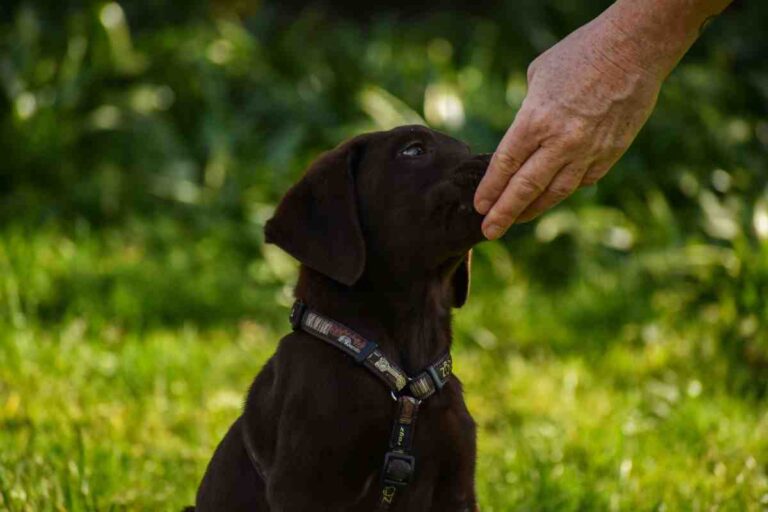

“5 Yard Training Mistakes That Make Dogs Run Off”
You open the back door for two seconds. Just two. And somehow your dog is already three houses down, ignoring every “come here” you’re screaming into the wind. This is exactly the kind of moment that comes from 5 common yard training mistakes that make dogs run, and most owners never see it coming.
If this sounds familiar, you’re not alone. Almost every dog owner makes at least one of these 5common yard training mistakes that make dogs run without ever realizing it — until the gate swings open and their dog is gone.
As one certified canine behaviorist puts it: “A dog who bolts isn’t rejecting you. They’re responding to boredom, fear, or a gap in their environment that we accidentally created.”
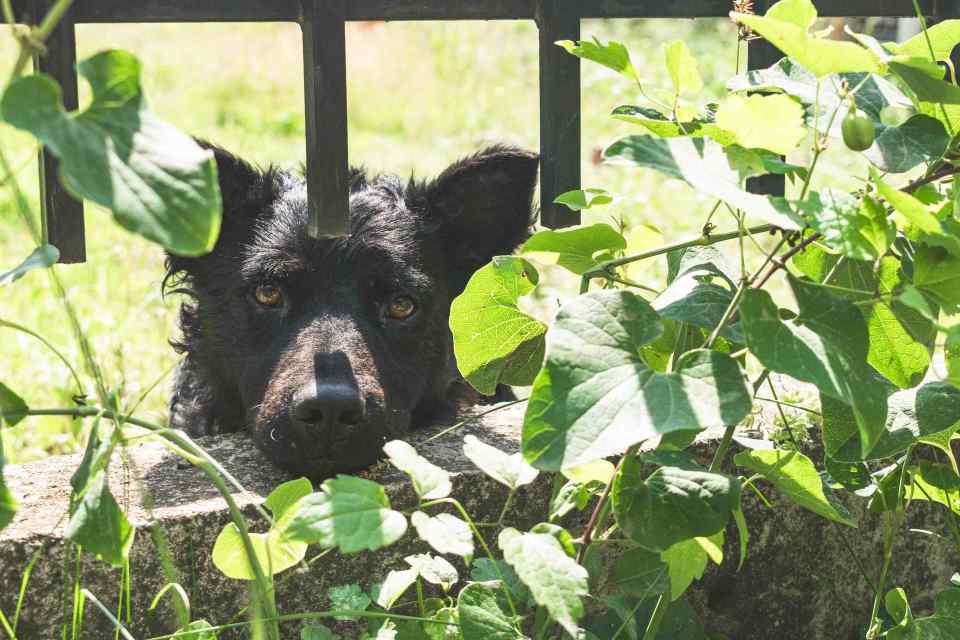
The good news? Once you know which of these mistakes is happening in your yard, the fix is usually simple. Let’s walk through all five, and exactly how to turn your yard into the place your dog never wants to leave.
At A Glance: Common Yard Mistakes vs. Fixes
| Observed Behavior / Sign | What It Means | Immediate Owner Action |
|---|---|---|
| Dog paces the fence line constantly | Boredom or under-stimulation | Add enrichment toys and rotate them weekly |
| Dog bolts the moment the gate opens | Poor gate training | Practice “wait” at the gate daily |
| Dog digs near the fence base | Trying to escape or cool down | Check fence gaps, add shade and digging zone |
| Dog freezes at loud yard noises | Fear-based reaction, not stubbornness | Desensitize slowly with calm exposure |
| Dog runs off-leash even when “trained” | No real recall practice outside the yard | Retrain recall in low-distraction settings first |
| Dog seems anxious alone in the yard | Isolation distress | Increase supervised yard time together |
Mistake 1: Treating the Yard Like a Babysitter — One of the 5Common Yard Training Mistakes That Make Dogs Run
A lot of owners let their dog out alone and assume that’s “yard time” handled. But an empty yard with nothing to do is boring, and bored dogs look for a way out. This is one of the most overlooked of the 5common yard training mistakes that make dogs run, mostly because it feels harmless on the surface. You’re giving your dog outdoor time — what could go wrong?
Quite a lot, actually. When a dog is left alone with no stimulation, no interaction, and nothing to do, their natural instinct kicks in: find something more interesting. That something is usually on the other side of your fence.
- Spend at least 10–15 minutes actively engaging with your dog outside daily
- Rotate toys weekly so the yard feels fresh, not stale
- Add a sandbox or digging zone to redirect natural digging instincts
A yard should feel like a playground, not a holding cell. The moment your dog sees the yard as a fun, rewarding space, the urge to escape drops dramatically.
Mistake 2: Skipping Gate Training Is One of the 5Common Yard Training Mistakes That Make Dogs Run
This is the number one reason dogs shoot past you the second a gate cracks open. Most owners never actually train the “wait” behavior at doorways — and skipping this step is one of the easiest of the 5common yard training mistakes that make dogs run to accidentally make, and the fastest to fix.
Think about it from your dog’s perspective: the gate opens, they rush through, they get to explore. That’s a reward. Every time it happens, the bolting behavior gets stronger. You’ve accidentally trained your dog that rushing the gate works.
- Practice asking your dog to sit and wait before opening any gate
- Only release them with a clear release word like “okay” or “free”
- Reward calm waiting every single time, even when you’re in a hurry
Dogs repeat what gets rewarded. A rushed opened gate teaches them bolting works — a calm, structured gate routine teaches them patience pays off.
Quick Daily Drill
Spend just two minutes a day opening and closing the gate while your dog holds a sit. This tiny habit alone prevents almost all doorway bolting long-term. Consistency here matters more than duration — two focused minutes daily beats one chaotic session a week every time.
Mistake 3: Ignoring Fence Gaps — A Hidden Cause Among the 5Common Yard Training Mistakes That Make Dogs Run
Dogs are surprisingly good at finding the one loose board or dug-out gap you completely forgot about. A fence that looks secure to you might have an obvious weak spot to your dog. Ignoring these gaps is another of the 5common yard training mistakes that make dogs run, and one of the easiest to overlook because the issue is physical, not behavioral.
Your dog isn’t outsmarting you. They’re simply doing what dogs do — sniffing around, pawing at things, and eventually discovering that one panel that moves. Once they find it once, they’ll check it every single time they’re in the yard.
- Walk the entire fence line monthly checking for gaps or loose panels
- Bury chicken wire along the base if digging is a repeat issue
- Add visual barriers like shrubs near known escape points
Most escape attempts happen at the same one or two spots. Fix those first and you solve the majority of the problem without any training at all.
Mistake 4: Missing Fear-Based Triggers Is Among the 5Common Yard Training Mistakes That Make Dogs Run
Not every runaway dog is chasing excitement. Some are running from something — a loud truck, fireworks, a lawnmower next door, or even an unfamiliar shadow. This fear-based pattern is one of the 5common yard training mistakes that make dogs run that owners rarely recognize, because it doesn’t look like a training problem. It looks like stubbornness, or random bad behavior.
But a frightened dog isn’t choosing to be difficult. They’re in survival mode, and their only goal is to get away from whatever is scaring them. Punishment at this stage doesn’t just fail — it actively makes the fear worse.
- Notice if bolting happens at specific times of day or near certain sounds
- Create a safe indoor retreat your dog can access during storms or loud events
- Desensitize gradually using recorded sounds at low volume, increasing slowly over weeks
A frightened dog needs a safe exit, not a correction. Once their anxiety is addressed, the bolting usually stops on its own.
Mistake 5: Assuming Indoor Recall Works Outdoors — The Last of the 5Common Yard Training Mistakes That Make Dogs Run
“Come” inside your living room and “come” in an open yard with squirrels, smells, and wind are two completely different skills. This is the final entry in the 5common yard training mistakes that make dogs run — and the one most owners discover last, usually after their dog ignores a perfectly trained “come” command and disappears around the corner.
Indoor recall works because there are no competing distractions. Outdoor recall has to compete with every interesting thing in the environment. If you’ve never practiced it outside, your dog hasn’t actually learned it for outside. It’s that simple.
- Practice recall in the yard on a long training leash first
- Add distractions gradually — a toy, another person walking by, a ball rolling past
- Never call your dog for something unpleasant like ending playtime or bath time
A reliable recall is built in small layers, not learned overnight.
Building Recall Confidence Step by Step
- Start with a 10-foot line and high-value treats your dog doesn’t get any other time
- Practice 5 short sessions a week rather than one long one
- Celebrate every successful recall like it’s a huge win — because outside, it genuinely is
Bonus Tip: Watch the Weather and Time of Day
Dogs often bolt more during specific conditions — extreme heat, incoming storms, or dusk when prey drive spikes naturally. Adjusting your yard routine around these patterns helps you stay ahead of the 5 common yard training mistakes that make dogs run before they become a habit.
- Avoid unsupervised yard time during storms or fireworks season
- Provide shade and water access during hot afternoons
- Supervise more closely at dawn and dusk when wildlife activity is highest
When to See a Vet or Behaviorist
Most bolting traces back to the 5 common yard training mistakes that make dogs run — and most cases improve significantly with consistent training. But a few signs mean it’s time to bring in professional help.
Normal: Occasional curiosity at the fence line in a young or newly adopted dog Normal: Mild excitement-based running during active play Normal: Clear improvement within a few weeks of consistent gate and recall training
See a vet or behaviorist if: Bolting is sudden and paired with panic, shaking, or disorientation See a vet or behaviorist if: Your dog shows signs of pain or limping before or after escape attempts See a vet or behaviorist if: Anxiety and escape attempts persist despite consistent training for over a month
Frequently Asked Questions
What are the 5common yard training mistakes that make dogs run away? They are treating the yard like a babysitter, skipping gate training, ignoring fence weak spots, missing fear-based triggers, and assuming indoor recall transfers outdoors automatically. Fixing all five resolves the majority of bolting cases within a few weeks of consistent work.
Is it normal for dogs to try to escape the yard? Occasional curiosity or exploring near the fence is common, especially in younger or high-energy breeds. Frequent or determined escape attempts usually point to one or more of the 5common yard training mistakes that make dogs run left unaddressed.
How long does it take to stop a dog from bolting? Most dogs show real improvement within 2–4 weeks of consistent gate training and recall practice. Dogs with fear-based bolting may need 6–8 weeks of gradual desensitization for lasting results.
Which of the 5common yard training mistakes that make dogs run is the easiest to fix? Gate training is the fastest win. Two minutes of daily practice at the gate — sit, wait, release — stops most impulse bolting within 1–2 weeks without any equipment or special training background needed.
A Final, Comforting Thought
Your dog running isn’t a reflection of how much they love you. It’s a reflection of unmet needs, missed training steps, or an environment that hasn’t been set up for success yet. Once you’ve worked through the 5 common yard training mistakes that make dogs run, you’ll watch that same dog choose to stay close — not because they have to, but because home finally feels like the best place to be.
Shakeel Ahmed
Dog fence reviewer, BarkBoundary
Shakeel has tested wireless and in-ground dog fences since [2019] and owns [german shepherd]. His reviews focus on real durability, battery life, and safety for different dog temperaments.