
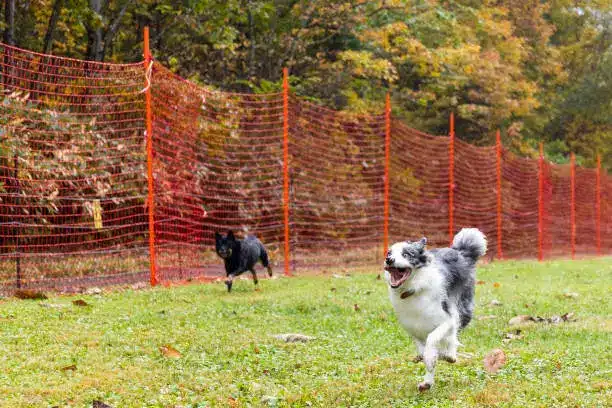
Dog Running Through Invisible Fence: The Hidden Cause
One squirrel, one sprint, and your dog is past the flags and heading for the road. Few things are scarier than a dog running through invisible fence boundaries as if they aren’t there, and it’s easy to feel like the system is broken.
Most of the time it isn’t. A dog running through invisible fence lines usually has a gap in fit, training, or motivation behind it, not a “stubborn” personality. This guide covers every common cause and the exact steps to fix it.
Dog Running Through Invisible Fence: At a Glance
| Observed Behavior / Sign | What It Means | Immediate Owner Action |
|---|---|---|
| Dog bolts only when chasing a squirrel, cat, or person | Excitement or prey drive is stronger than the correction | Restart distraction training on a long line; supervise outdoor time |
| Dog crosses at random, with no pattern | Collar is loose or the probes aren’t touching skin | Refit to the one-to-two finger rule and part the fur |
| Dog ignores the warning beep completely | Beep was never taught, the battery is weak, or hearing has changed | Replace the battery, restart beep training, and book a vet check if it continues |
| Dog crosses out but won’t come back in | Dog fears taking the correction again on re-entry | Create a safe return plan and reward the recall heavily |
| Dog used to respect the line but now doesn’t | Wire break, transmitter fault, or the dog has “learned the price” | Run a system check and walk the wire |
| Dog running through invisible fence in only one corner or section | Wire damage or signal interference in that spot | Inspect the wire and test the zone with the manual’s check procedure |
What Causes a Dog Running Through Invisible Fence Lines?
Before you change anything, find the real cause. Turning up the correction without a diagnosis is the most common mistake owners make.
The Reward Beats the Correction
Dogs are always doing a quiet cost-benefit calculation. A squirrel, a neighbor’s dog, or a smell trail can be worth far more to your dog than a few seconds of discomfort.
A dog who runs through the fence has decided the reward is worth the price. That’s a motivation problem, and a stronger correction rarely solves it.
The Collar Isn’t Making Contact
Even a perfect system fails if the probes don’t touch skin. A loose strap, thick fur, or a tilted receiver can silence the correction entirely.
Your dog then learns that the beep means nothing and the boundary is optional. If this sounds familiar, start with our Invisible Fence Collar Fit Guide.
The Training Was Rushed or Skipped
Many owners flag the yard, put the collar on, and let the dog out. That skips the part where the dog learns beep means turn around.
Without that, the dog hears a strange sound and then feels a surprise sensation. It has no idea how to avoid it, so it just panics forward.
The System Has a Hidden Fault
A broken wire, a dying battery, or a transmitter that was moved can all change how the boundary behaves. A dog that respected the line for months and suddenly doesn’t is often telling you the system changed, not the dog.
Fix the System First: Hardware Checks in 15 Minutes
Always rule out equipment problems before you retrain. It takes less time than you think.
Check the Collar Battery
Weak batteries can reduce the strength of the correction or stop the receiver from responding properly. Replace the battery on the schedule in your manual, even if the collar seems to work.
Test the Receiver
Most systems include a test light or tester that shows whether the receiver is picking up the signal. Walk to the boundary with your dog’s collar and use the tester to confirm the receiver activates at the right distance.
Inspect the Wire
A cut or damaged wire creates dead zones. Lawn aerators, garden spades, burrowing animals, and frost heave are common causes.
If you see a dog running through invisible fence lines in the same spot every time, walk that section of wire and look for damage. Most transmitters also have an alarm for a wire break, so check the display.
Refit the Collar
Place the receiver at the lower front of the neck, with both probes touching skin. You should fit one finger under the strap, two at the loosest.
Check the fit with your dog moving, not just standing. A collar that spins during play will fail exactly when you need it.
Retrain the Boundary: A Two-Week Plan
If the equipment checks out, retraining is the fix. Follow your manufacturer’s guidance, and use this as a framework.
Step 1: Pause Free Roaming
Until the training is solid, stop leaving your dog unsupervised in the yard. Every escape rewards the behavior and makes the next one more likely.
Use a leash, long line, or a temporary pen for outdoor time.
Step 2: Rebuild the Beep Meaning
Walk your dog on a leash toward the flags. When the warning beep sounds, calmly guide your dog back and reward with a treat.
Never drag your dog across the line. The goal is for your dog to hear the beep and choose to turn around.
Step 3: Keep Sessions Short and Positive
Aim for 10 to 15 minutes, two or three times a day. Short sessions keep your dog focused and relaxed.
End every session on a win. If your dog gets stressed, stop and try again later.
Step 4: Use the Lowest Effective Correction Level
Start at the lowest level that gets a clear reaction, like a pause, a flick of the ears, or a head turn. Increase only one step at a time, only if needed, and never jump to the highest setting.
A correction that’s too strong can cause fear, panic, or avoidance of the whole yard. That makes a dog running through invisible fence boundaries worse, not better.
Step 5: Add Distractions Gradually
Once your dog turns reliably at the flags, add mild distractions. Roll a ball outside the boundary, have a family member stand across the line, or walk another dog nearby.
Keep your dog on a long line so you can prevent a successful escape. Reward every turn-back with something your dog loves.
Step 6: Go Off-Leash Slowly
Only when your dog passes distraction tests several times in a row should you allow supervised off-leash time. Stay outside with your dog for the first several sessions.
Increase freedom gradually. Many trainers suggest keeping the flags in place for several weeks, or longer if your dog still tests the line.
Beat the Distractions: Prey Drive and Strong-Willed Breeds
Some dogs need more than standard training. If you only see a dog running through invisible fence lines when something exciting appears, this section is for you.
Understand Your Dog’s Drive
Hounds, terriers, Huskies, and many herding breeds are bred to chase. For these dogs, instinct can override pain or surprise.
That doesn’t mean they can’t be contained. It means the plan needs more than a collar.
Add a Strong Recall
The best backup for any boundary is a dog who comes when called. Practice recall with high-value treats, starting indoors and building up to the yard.
Our Dog Recall Training Guide walks you through each stage.
Burn Energy Before Yard Time
A bored, under-exercised dog is more likely to bolt at the first thing that moves. A brisk walk, a sniffing game, or a short training session before yard time takes the edge off.
A tired dog tests boundaries less. This one change helps many owners more than they expect.
Manage the Triggers
If squirrels or cats are the problem, supervise your dog during the times they’re most active, often early morning and dusk. Remove bird feeders or food sources that attract wildlife near the boundary.
If your dog’s chasing seems intense or obsessive, read our guide on Dog Prey Drive Explained.
The Return Problem: When Your Dog Crosses Out and Won’t Come Back
This part surprises many owners. A dog running through invisible fence lines often takes the correction on the way out, then refuses to come home because coming back means crossing the line again.
Why It Happens
Your dog has linked the boundary with discomfort. After escaping, the dog sits outside the line, unsure how to get back safely.
This can lead to a dog wandering farther, or hiding near the edge of the property.
How to Fix It
Teach your dog a safe way back in. Check your system’s manual, since some transmitters can be paused, or the collar can be removed before you bring your dog back inside.
Then pair coming home with a big reward. Praise, treats, and a calm welcome tell your dog that returning is always a good decision.
Never scold your dog when it returns. Even if you’re frightened or angry, punishment after the fact teaches your dog that coming back is the scary part.
Mistakes That Make a Dog Running Through Invisible Fence Boundaries Worse
Well-meaning owners often make the problem worse without realizing it. Avoid these common errors.
Raising the Correction to the Maximum
More intensity doesn’t create more understanding. It can create fear, panic, and dogs who bolt farther because they associate the yard with pain.
Skipping the Flags Too Soon
Flags give your dog a visual cue that matches the beep. Removing them early can make the boundary seem to appear out of nowhere.
Leaving the Dog Outside Alone
Unsupervised time lets your dog practice escaping. Every successful escape is a lesson that the fence doesn’t count.
Ignoring Anxiety
If your dog seems nervous, avoids the yard, or acts panicked after fence training, something is wrong. Read our article on Dog Afraid of Going Outside and consider asking a certified trainer for help.
Relying on the Fence Alone
No electronic system replaces supervision, training, and a safe environment. It’s a training aid, not a guarantee.
When an Invisible Fence Isn’t Enough
Sometimes you do everything right and a dog running through invisible fence lines is still your daily reality. That doesn’t mean you failed.
Signs the System May Not Suit Your Dog
Consider other options if your dog:
- Escapes repeatedly even after thorough retraining
- Has extreme prey drive or very high arousal
- Shows fear or anxiety linked to the yard or the collar
- Is very young, elderly, or has health issues that make static correction a poor fit
Safer Backups
A physical fence, a tie-out cable with supervision, or a secure kennel run can keep your dog safe. Some owners combine a physical fence with a boundary system for extra security.
A certified trainer or veterinary behaviorist can help you choose the right plan. The goal is a safe, relaxed dog, not winning an argument with a fence.
When to See a Vet: Safety Checklist
Behavior changes can have medical causes, and a dog running through invisible fence lines may be hurt after an escape. Use this checklist to know when to act.
Normal: Your dog turns at the beep and returns to you calmly.
Normal: Skin under the collar probes looks healthy with no redness or marks.
Normal: Your dog plays and explores the yard confidently.
See your vet if: Your dog stops responding to the warning beep or other sounds, since hearing loss can look like disobedience.
See your vet if: You see redness, sores, swelling, or hair loss under the contact points.
See your vet if: Your dog suddenly refuses to go outside, hides, or shakes near the boundary.
See your vet if: Your dog escaped and now limps, has cuts, or may have been hit by a car, even if it seems fine.
See your vet if: Your older dog suddenly starts wandering, seems confused, or ignores the boundary, since this can signal cognitive changes.
See your vet if: Your dog yelps, collapses, or seems in distress during a correction. Remove the collar immediately.
Your vet can rule out pain, hearing problems, and skin issues, and can refer you to a behaviorist if needed. This article is educational and doesn’t replace professional veterinary advice.
Frequently Asked Questions
What Is the Fastest Fix for a Dog Running Through Invisible Fence Lines?
A sudden change usually points to equipment or motivation. Check the collar battery, the fit, and the wire for breaks first. Then consider new triggers like wildlife, a new dog nearby, or a change in routine, and ask your vet about hearing if your dog ignores the beep.
Will Turning Up the Correction Fix a Dog Running Through Invisible Fence Habits?
Usually not, and it can backfire. A stronger correction can cause fear and panic without teaching your dog what to do. Fix the fit and retrain with the lowest effective level, rewards, and gradual distractions.
How Long Does It Take to Fix a Dog Running Through Invisible Fence Problems?
Many dogs improve within about two weeks of consistent retraining, but strong-willed or high-drive dogs can take longer. Short daily sessions, supervision, and patience matter more than speed. If your dog keeps escaping after several weeks, ask a certified trainer for help.
Final Thoughts: Stopping a Dog Running Through Invisible Fence Lines for Good
A dog running through invisible fence boundaries is a problem you can solve, but not by guessing. Check the equipment, fix the collar fit, and retrain the boundary with patience and rewards.
Add supervision, recall practice, and a plan for tough distractions. If it still isn’t working, a physical barrier may be the kindest and safest choice for your dog.
Start today by testing the collar and walking the wire. A few minutes now can keep your dog safe at home for years.


