
GPS Dog Fence Cost vs Traditional Fence Cost: What You’ll Really Pay
You love your dog. You also don’t want to spend $6,000 on a fence if a $600 collar does the job. Or the opposite: you don’t want to save money and then spend a night searching the neighborhood.
If you’re researching GPS dog fence cost, this guide gives you real numbers. We break down what each option costs upfront, over five years, and in ways most sales pages skip.
Quick Answer: What Is the Typical Price?
The GPS dog fence cost is typically $550–$1,000 upfront plus about $10 per month, while a traditional physical fence runs $2,000–$8,000+ installed for an average yard. GPS is cheaper to start and easier to move. Physical fences win for durability and for keeping other animals out.
GPS Dog Fence Cost: Upfront Prices
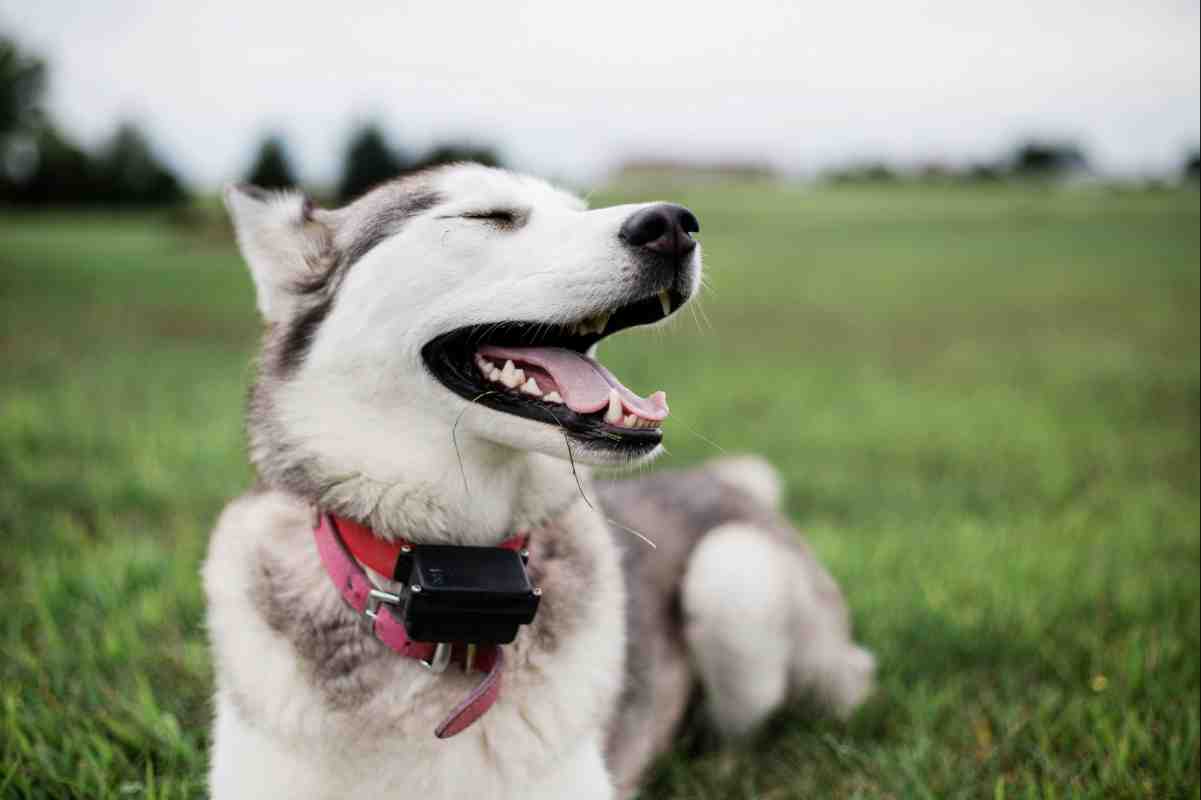
A GPS fence uses a smart collar and a phone app instead of posts or wire. You draw a boundary on a map, and the collar warns your dog when they get close.
What You Pay for the Collar
Pricing moves with promotions, so check current numbers before you buy. Here is what the main brands list right now:
- Halo Collar 5: Halo lists the collar at $524, down from $599, though reviewers have quoted it closer to $549.
- SpotOn: SpotOn lists at $999.
- Extra dogs: each dog needs their own collar, so the GPS dog fence cost roughly doubles in a two-dog home.
Monthly GPS Dog Fence Cost
This is where GPS differs most from a fence. Halo’s entry membership is $9.99 per month, and SpotOn’s tracking plan is $9.95 per month. Over five years, that adds about $600 per collar to your GPS dog fence cost.

GPS Fence Pros and Cons
Pros
- ✓ Low upfront GPS dog fence cost compared with building a fence
- ✓ No digging, permits, or contractors
- ✓ Boundaries can be reshaped in the app in minutes
- ✓ Goes with you when you move or travel
- ✓ Adds live tracking, which a fence can’t offer
Cons
- ✗ Monthly subscription never ends
- ✗ Doesn’t stop other dogs, wildlife, or people from entering
- ✗ Needs a charged battery and a decent GPS signal
- ✗ Some dogs need weeks of training to respect the boundary
How Much Does a Traditional Fence Cost?
“Traditional” covers a few different things. Let’s separate them, because the price gap between them is huge.
Physical Fences (Wood, Chain-Link, Vinyl)
Fences are priced per linear foot, installed. A typical quarter-acre backyard needs roughly 150–200 feet, though your lot may differ.
- Chain-link: about $15–$40 per foot, or roughly $2,250–$6,000 for 150 feet
- Wood privacy: about $20–$50 per foot, or roughly $3,000–$7,500
- Vinyl: about $25–$60 per foot, or roughly $3,750–$9,000
These are typical U.S. ranges, not quotes. Labor costs, soil, slopes, and gates can swing your total by thousands. Get at least three local estimates.
Underground Wire Fences
Many people lump these in with “traditional.” A buried wire fence runs a boundary wire around your yard and pairs it with a receiver collar. Professionally installed systems commonly land around $1,000–$2,500, and DIY kits start much lower.
Physical Fence Pros and Cons
Pros
- ✓ Works the moment it’s built, with no training required
- ✓ Blocks stray dogs, wildlife, and wandering kids
- ✓ Lasts 15–30 years with maintenance
- ✓ No batteries, apps, or subscriptions
- ✓ Often adds resale value
Cons
- ✗ Highest upfront cost
- ✗ May need HOA approval or a permit
- ✗ Can’t be moved
- ✗ Diggers and jumpers can still escape
Underground Wire Fence Pros and Cons
Pros
- ✓ Invisible and mid-priced
- ✓ No monthly fee
- ✓ Covers odd-shaped yards
Cons
- ✗ A cut wire silently disables the fence
- ✗ Boundary changes mean re-trenching
- ✗ No tracking if your dog gets out
If a cut wire is your worry, our guide on [Internal Link: how to find and repair a broken invisible fence wire] walks through it.
Side-by-Side Comparison Table
This table sets the GPS dog fence cost and features beside each traditional option.
| Brand/Feature | Key Highlight | Best For | Rating/Durability |
|---|---|---|---|
| Halo Collar 5 | GPS fence plus live tracking | Large or irregular yards, travelers | Good; battery and subscription dependent |
| SpotOn GPS Fence | Higher price, offline fence option | Rural properties with weak signal | Good; battery dependent |
| Underground wire fence | Invisible boundary, no monthly fee | Mid-size suburban yards | Good; wire can break |
| Chain-link fence | Cheapest physical option | Budget-conscious owners | Excellent (15–20+ years) |
| Wood privacy fence | Blocks sight lines and barking triggers | Reactive or fence-fighting dogs | Very good (12–20 years) |
| Vinyl fence | Low maintenance | HOA neighborhoods | Excellent (20–30 years) |
5-Year GPS Dog Fence Cost vs Traditional Fence Cost
Let’s run the numbers for one dog and a 150-foot perimeter.
- GPS fence: about $550 collar plus $600 in subscriptions equals roughly $1,150
- Underground wire (professional): about $1,000–$2,500, with no monthly fee
- Chain-link fence: about $2,250–$6,000
- Wood fence: about $3,000–$7,500

For one dog, the GPS dog fence cost is usually the lowest over five years. The picture shifts with more dogs, because every pup needs a collar and a subscription. At three or four dogs, a physical fence starts to look competitive.
Hidden Costs That Change the GPS Dog Fence Cost
The sticker price isn’t the whole bill. Watch for these:
- GPS: replacement collar straps, a spare charger, and a phone-plan data bump if you use the app heavily
- GPS: replacing the collar after 3–5 years if the battery degrades
- Fences: permits, survey fees, gate hardware, and staining or repainting
- Wire fences: repairs after landscaping, plus replacement batteries in the receiver
- Both: professional training, which many dogs need to understand any boundary
Common Mistakes to Avoid
Buying GPS and skipping training. The collar is a tool, not magic. Most brands expect a few weeks of short, positive sessions.
Expecting GPS to keep intruders out. It keeps your dog in. A coyote or loose dog can walk right in.
Choosing the cheapest fence for a digger or jumper. A 4-foot chain-link fence won’t hold a determined husky. Match the height and style to your dog.
Ignoring the HOA. Some neighborhoods ban visible fences. Others ban wire flags or require approval for any system. Read the rules first.
Comparing price only. Looking only at the GPS dog fence cost ignores what happens if your dog escapes. A GPS collar tells you where they are. A fence can’t.
Which Option Fits Your Situation?
- Choose GPS if the GPS dog fence cost fits your budget and you have a big or oddly shaped yard, travel often, or rent.
- Choose a physical fence if you have a strong digger or jumper, want to keep other animals out, or plan to stay long term.
- Choose a combo if you want the best protection. Plenty of owners use a fence and add a GPS collar for tracking, which is a safety net rather than a replacement.
If you’re still weighing collar styles, see our breakdown of [Internal Link: the best dog collars for training and containment]. Considering a wire system instead? Start with [Internal Link: how invisible fences work and what they cost].
Frequently Asked Questions
Is the GPS dog fence cost lower than a regular fence?
Usually, yes. A GPS fence costs roughly $550–$1,000 plus a monthly fee, while a physical fence often costs $2,000–$8,000. The gap narrows if you own several dogs.
Do GPS dog fences require a monthly fee?
Most do if you want the full GPS features. Typical plans run about $10 per month per collar. Without the plan, tracking and fence alerts may be limited or unavailable.
Is a GPS fence as reliable as a physical fence?
Not entirely. A physical fence works without batteries or signal and blocks other animals. GPS fences can lose accuracy under heavy tree cover and need regular charging.
How long does a GPS dog collar last compared with a fence?
Expect 3–5 years from a collar before the battery weakens. A quality physical fence can last 15–30 years with upkeep.
Final Thoughts
For one dog and a typical yard, the GPS dog fence cost usually wins. For multiple dogs, escape artists, or long-term ownership, a physical fence can pay for itself in peace of mind. Whichever you choose, prices change often, so confirm current numbers with the manufacturer or local installers before you buy.
I’m a writer, not a pet-safety professional, so for dogs with escape or anxiety issues, check with your vet or a certified trainer.


