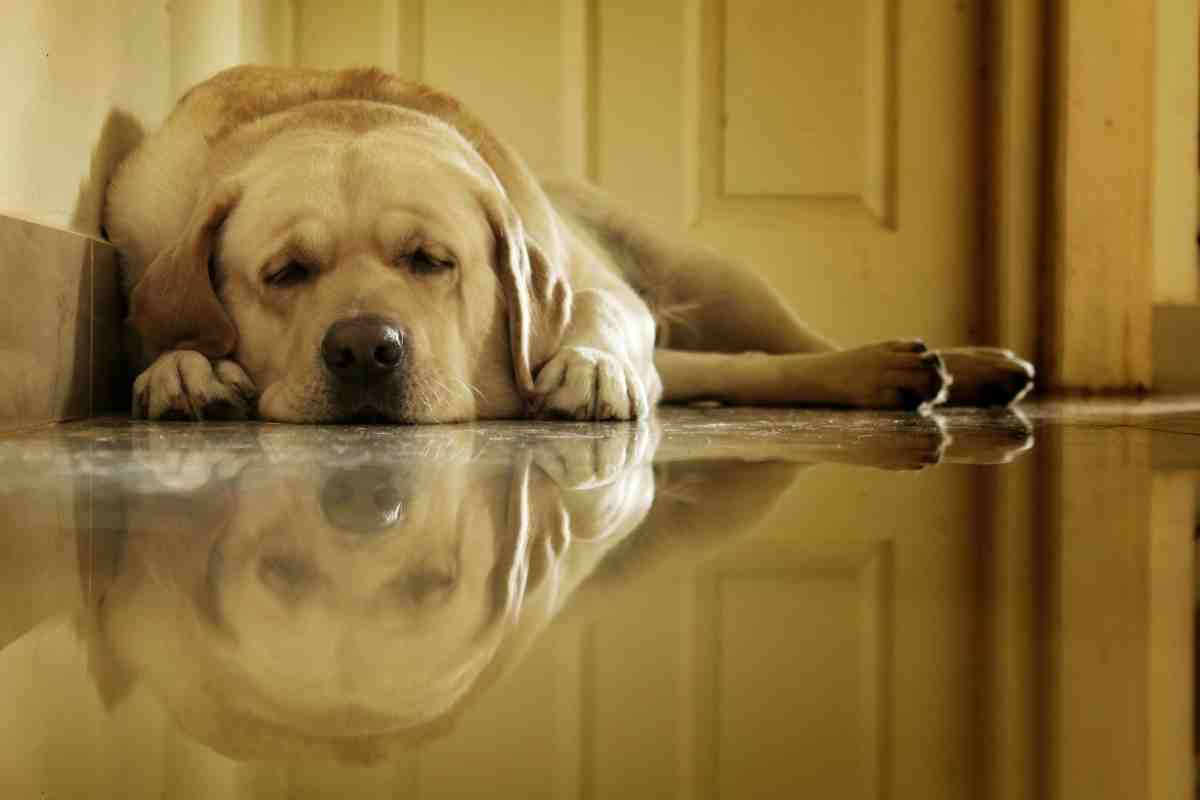
What It Really Means When Your Dog Sighs While Lying Down
Your dog lets out a long, slow sigh — then looks straight at you before closing their eyes. Your stomach drops for a second. Is something wrong? Are they sad? Are they trying to tell you something?
Here’s the truth: dog sighing while lying down is one of the most honest things your dog will “say” to you all day. Most of the time, it’s a good sign. But sometimes, it’s a signal worth paying closer attention to — and knowing the difference can tell you a lot about what’s really going on inside your dog’s mind and body.
Dog Sighing While Lying Down: What Every Pet Owner Should Know
Dog sighing while lying down is something almost every pet owner notices at some point, and it often raises more questions than answers. In most cases, dog sighing while lying down simply means your dog is relaxed, content, and fully at ease in their environment. However, dog sighing while lying down can sometimes carry a different meaning — especially when paired with tense muscles, restlessness, or changes in breathing.
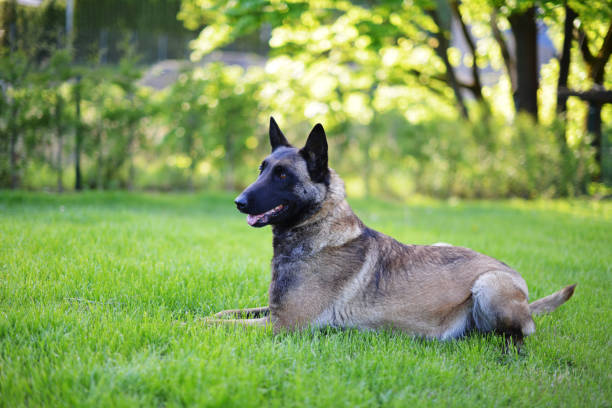
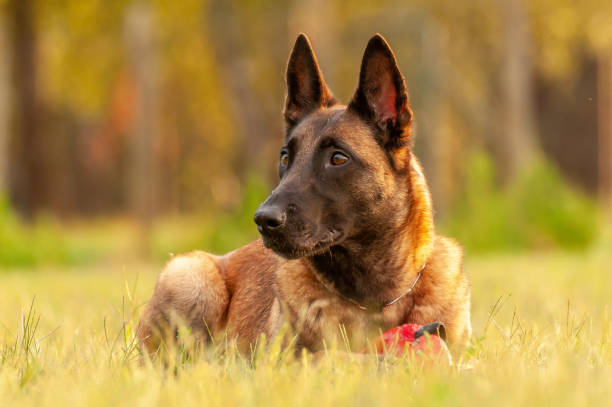

Understanding why dog sighing while lying down happens helps you tell the difference between a peaceful moment and a potential health concern. Whether it’s a happy exhale after a long walk or a subtle sign of discomfort, dog sighing while lying down is a small behavior that says a lot about how your dog truly feels.
At a Glance: Dog Sigh Decoding
| Sigh + Body Language | What It Usually Means |
|---|---|
| Sigh with half-closed eyes | Pure relaxation and contentment |
| Sigh followed by falling asleep | Comfort and emotional security |
| Sigh after play or a walk | Recovering and settling down |
| Sigh while watching you quietly | Mild disappointment or waiting for attention |
| Sigh with tense muscles or wide eyes | Stress, uncertainty, or frustration |
| Frequent sighing with coughing or heavy breathing | Possible medical concern — contact your veterinarian |
Why Do Dogs Sigh?
Dogs don’t have words, so they lean on body language instead. Posture, facial expression, tail movement, and breathing all do the talking. A sigh is just one note in that larger conversation.
Most of the time, a sigh is an emotional release. It’s your dog letting go of excitement, unwinding after activity, or quietly accepting how a moment turned out.
“A dog’s body language should always be read as a whole, not in isolation,” canine behavior experts note. A sigh only becomes meaningful when you look at it alongside posture, facial expression, breathing, and the situation around it.
Have you noticed whether your dog sighs after curling up beside you, or only after something doesn’t go their way? That context is where the real story lives.
1. Your Dog Is Completely Relaxed
The most common reason dogs sigh while lying down is refreshingly simple: they’re relaxed. Once they find a comfortable spot, their muscles loosen and a slow exhale often follows naturally.
It’s strikingly similar to the deep breath a person releases after finally sitting down at the end of a long day.
Watch for these companion signs:
- Soft, relaxed eyes
- Loose body posture
- Slow, steady breathing
- Stretching before lying down
- Falling asleep within a few minutes
If your dog sighs and then drifts peacefully off to sleep, that’s about as clear a “I feel safe” signal as dogs come with.
2. They Feel Safe and Content
Dogs often sigh when they know they’re somewhere secure. Whether they’re curled up on the couch beside you or resting after a good walk, the sigh usually reflects trust, not sadness.
This shows up most in dogs who sleep close to their family, follow a predictable routine, or are winding down after eating or playing. Many canine behaviorists consider this a genuinely healthy sign — it tells you your dog feels emotionally at home.
3. Mild Disappointment or Frustration
Not every sigh is a happy one. Sometimes a dog sighs because they’ve quietly accepted that something they wanted isn’t happening — you stopped petting them, playtime ended, or no second treat is coming.
In these moments, you might also notice them looking away, resting their head on their paws, or staying awake instead of drifting off. This isn’t distress — think of it as your dog’s version of a shrug.
4. They’re Winding Down After Activity
After exercise or excitement, dogs shift into a calmer state, and a deep sigh often marks that transition. You may see your dog circle before lying down, stretch their front legs, then release a long breath and close their eyes soon after.
This wind-down helps both the body and the nervous system settle back into rest mode.
5. They’re Comfortable Being Near You
One of the sweetest reasons dogs sigh is simply because they’re happy to be near you. Not every dog shows affection with licks or tail wags — sometimes the strongest sign of trust is choosing to relax quietly beside the person they love.
A sigh near your feet often means: I feel safe. Everything is okay. I’m happy just being here.
Have you ever noticed your dog sigh moments after sitting beside you? Many owners say that quiet exhale is one of the most reassuring things their dog does.
6. Age Can Make Sighing More Common
Older dogs naturally rest more than younger ones, and slower movement or mild stiffness can make their exhales more noticeable. Longer naps, slower walks, and less enthusiasm for activity often come along with it.
Occasional sighing is still normal at this stage of life. But when it’s paired with reduced mobility or visible discomfort, it’s worth bringing up at your next vet visit.
7. Sometimes It Can Signal Discomfort
Most sighs are harmless, but they shouldn’t always be ignored outright. Frequent sighing paired with other symptoms can sometimes point toward pain or illness.
Watch closely for heavy breathing, persistent coughing, appetite loss, lethargy, whining, limping, restlessness, or trouble getting comfortable.
“Pay attention to changes, not isolated behaviors,” veterinarians often advise. A dog that suddenly sighs far more than usual — especially alongside breathing changes, coughing, or reduced activity — should be examined to rule out pain, arthritis, heart disease, or respiratory conditions.
Normal vs. Concerning Sighing
Normal Sighing
- Happens while relaxing
- Loose, comfortable posture
- Normal breathing afterward
- Healthy appetite and energy
- Followed by peaceful sleep
⚠️ Concerning Sighing
- Happens repeatedly throughout the day
- Paired with heavy panting
- Signs of pain or stiffness
- Difficulty breathing
- Reduced activity or appetite changes
Your dog’s normal behavior is your best baseline — sudden changes from it are always worth a closer look.
What Should You Do If Your Dog Sighs Often?
In most cases, nothing at all — just enjoy the peaceful moment. That said, a few simple habits help keep those relaxed sighs exactly what they should be.
Create a comfortable resting space. A supportive bed in a quiet corner gives your dog somewhere to truly unwind.
Keep them physically active. Daily walks and play reduce stress and support healthy sleep.
Maintain a consistent routine. Predictable meals, walks, and bedtimes help dogs feel secure.
Watch for behavioral changes. Note if sighing becomes more frequent or shows up with coughing, limping, or mood shifts.
Schedule routine vet checkups. Regular exams catch age-related issues early, before they become serious.
When Should You Contact a Veterinarian?
Book an appointment if sighing comes with any of the following:
- Difficulty breathing
- Persistent coughing
- Blue or pale gums
- Collapse or weakness
- Refusal to eat
- Signs of severe pain
- Sudden personality changes
- Frequent nighttime restlessness
These symptoms call for prompt medical evaluation — not a wait-and-see approach.
Frequently Asked Questions
Do dogs sigh to say “I love you”? Not exactly — dogs don’t sigh as a direct declaration of love. But a relaxed sigh while resting beside you often signals comfort, trust, and emotional security, which is about as close as it gets.
Is a dog sighing the same as groaning? No. A sigh is a soft, slow exhale tied to relaxation or mild emotional release, while a groan is typically deeper and often happens when a dog stretches, shifts position, or feels stiff — especially in older dogs.
Should I worry if my dog sighs every day? Usually not — many healthy dogs sigh daily as part of their normal routine. But if sighing becomes noticeably more frequent or comes with coughing, labored breathing, or changes in appetite or energy, it’s time to talk to your vet.
Final Thoughts
Most dogs sigh while lying down because they’re relaxed, content, and settling comfortably into rest. In many homes, that quiet exhale is a reassuring sign your dog feels safe, secure, and completely at ease.
Every dog is still unique, so pay attention to the full picture — body language, breathing, and behavior — not just the sigh alone. That’s what will help you tell the difference between an everyday habit and something worth a vet visit.
The next time your dog lets out a gentle sigh before closing their eyes, chances are they’re simply telling you one thing: they’ve found the perfect place to rest, right beside someone they trust.
Conclusion
Understanding dog sighing while lying down helps you connect more deeply with your dog’s everyday emotions and needs. In most homes, dog sighing while lying down is simply a sign of comfort, trust, and a peaceful state of mind — nothing to worry about at all. Still, every dog is different, and dog sighing while lying down paired with other symptoms like coughing, restlessness, or reduced appetite deserves a closer look from your veterinarian. The next time you notice dog sighing while lying down, take it as a small window into how your dog truly feels — safe, relaxed, and right where they want to be.
Shakeel Ahmed
Dog fence reviewer, BarkBoundary
Shakeel has tested wireless and in-ground dog fences since [2019] and owns [german shepherd]. His reviews focus on real durability, battery life, and safety for different dog temperaments.