
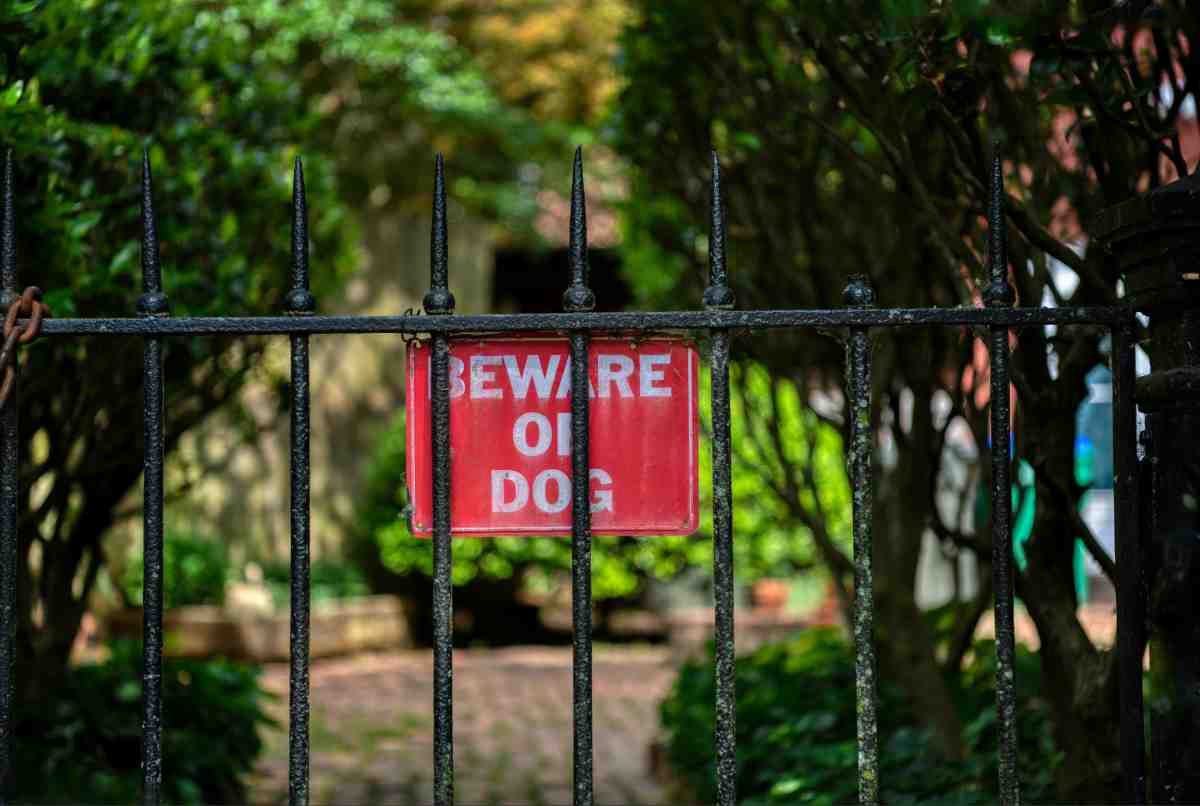
Dog Fence Laws by State: Are you breaking the rules?
Introduction
You finally decided to fence your yard for your dog. Smart move. Safe dog. Problem solved — right?
Not quite. Dog fence laws by state are more complicated than most owners ever realize and the consequences of getting it wrong can range from a neighbor complaint all the way to a court summons and a serious fine.
Here is the truth nobody tells you when you walk into a hardware store and start pricing fence panels: in many states, the type of fence you build, how tall it is, how far it sits from the property line, and even whether it is visible from the street is regulated by local law.

This guide breaks down dog fence laws by state in a way that actually makes sense what you need to know, what questions to ask before you build, and how to keep your dog safe and your household legally protected.
At A Glance — Dog Fence Laws by State: Quick Reference Matrix
| Situation / Question | What It Typically Means | Immediate Action |
|---|---|---|
| Building a fence over 6 feet tall | Usually requires a permit in most states | Check local zoning office before purchasing materials |
| Fence on or near property line | “Spite fence” laws may apply | Get a survey done and talk to your neighbor first |
| Invisible fence only — no physical barrier | Some states require physical containment for certain breeds | Check your county’s dangerous dog ordinances |
| HOA community with fence rules | HOA rules override your personal preference | Review your HOA covenants before planning |
| Dog escapes yard and injures someone | Owner liability laws apply in most states | Ensure fence meets your state’s containment standard |
| Rental property — want to install fence | Landlord permission required in all states | Get written approval before any installation |
| Farm or rural property with livestock fence | Agricultural fence laws differ significantly | Contact your state’s agricultural extension office |
Why Dog Fence Laws by State Exist in the First Place [5]
This might feel like government overreach when all you want is to keep your Labrador from chasing the mail carrier. But dog fence laws by state exist for three very specific reasons — and understanding them actually helps you work with the system instead of against it.
First, neighbor relations. Fences sit on or near property lines, and disputes over fence placement are one of the most common causes of neighbor conflict in the United States.
Second, public safety. A dog that escapes a poorly built or legally non-compliant fence and injures someone creates serious legal liability for the owner. Many states have moved toward strict liability dog bite laws.
Third, community aesthetics and property values. Zoning regulations govern what fences look like from the street, which materials are permitted, and how they interact with the visual character of a neighborhood.
Zoning and Permit Requirements
This is where most owners get caught off guard. In a majority of American cities and counties, any fence over a certain height — usually 4 feet in the front yard and 6 feet in the back — requires a building permit before construction begins.
The permit process typically involves submitting a plan showing fence placement, material type, and height. Some jurisdictions require a property survey to confirm you are building within your own property line.
Building without a permit does not always result in immediate penalties. But when you try to sell your home, an unpermitted fence will appear during inspection — and you may be required to tear it down or pay retroactive permit fees.
Action step: Call your local building or zoning department before purchasing a single fence panel. The call takes five minutes and can save you thousands. Understanding dog fence laws by state at the local level starts exactly here.
“Good Neighbor” Fence Laws
Many states have what are called good neighbor fence laws — also referred to as division fence laws. These laws establish shared responsibility for fences that sit on a shared property line.
In California, for example, the Good Neighbor Fence Act of 2014 generally requires that neighbors share equally in the cost and maintenance of a fence that benefits both properties. Similar laws exist in Texas, Florida, and many Midwest states.
The practical implication for dog owners: If you want to build a fence along a shared property line specifically to contain your dog, your neighbor may have legal standing to require cost-sharing — or to dispute the fence placement entirely.
The smart move is always to have a conversation with your neighbor before construction begins, confirm the property line with a survey, and document any agreements in writing.
Invisible Fence and Leash Law Interaction
Here is something that surprises a lot of owners: in many jurisdictions, an invisible fence does not legally satisfy a containment requirement.
Some states and counties have leash laws or “at large” ordinances that define a contained dog as one physically prevented from leaving the property. An electronic or GPS fence, by this definition, does not count — because nothing physically stops the dog from crossing the boundary.
When researching dog fence laws by state, this is one of the most misunderstood areas — owners assume a wireless system covers them legally, when it often does not. Before choosing an invisible fence system, it is worth comparing all available options carefully. Our complete guide on Best Invisible Fence Brands — Full Comparison for 2026 breaks down every major brand, how they work, and which states have containment requirements that may affect your choice.
The safest legal position is a physical fence that meets your jurisdiction’s height and material requirements, supplemented by an invisible fence system for additional security.
For dogs of different sizes, containment needs vary significantly. If you are still deciding between fence types, read our detailed breakdown of the Best Dog Fence by Dog Size in 2026 covering small breeds all the way up to large and working dogs.
Breed-Specific Legislation and Fence Requirements
This is the category that catches pit bull, Rottweiler, and German Shepherd owners most off guard.
Breed-specific legislation (BSL) in many counties and cities includes mandatory fence height and containment requirements that go well beyond what is required for other dogs. Some jurisdictions require a 6-foot privacy fence — not chain link — for certain breeds. Others require double-gated entry systems or covered runs.
These laws exist at the county and municipal level, not typically at the state level, which is why local fence rules can feel so inconsistent — the rules vary dramatically even within a single state.
If you own a breed commonly targeted by BSL, check your specific county’s ordinances — not just your state’s general laws. Calling animal control directly is the fastest way to get accurate, current information.
State-by-State Highlights: What to Know Before You Build
Knowing dog fence laws by state in detail for every single state is impossible in one article — but these key highlights cover the states where owners most often run into legal problems.
California
California has some of the most detailed fence laws in the country. The Good Neighbor Fence Act applies statewide. Height limits vary by municipality — typically 3.5 feet in front yards and 6 feet in back yards without a permit.
Texas
Texas follows an “open range” tradition historically, but modern suburban counties have detailed fence permit requirements. Texas also has a “one bite rule” for dog liability — but a second incident creates strict owner liability.

Florida
Florida’s dog bite statute is a strict liability law — meaning the dog does not need a prior bite history for the owner to be held fully responsible. Physical fence containment that meets local permit standards is particularly important for Florida dog owners — one of the strictest applications of dog fence laws by state anywhere in the country.
New York
New York City has among the most detailed fence regulations in the country, with height limits as low as 4 feet on certain residential properties. BSL is prohibited statewide in New York — but HOA and building co-op rules often create their own restrictions.
Illinois
Illinois has a statewide Dangerous Dog Act with specific containment requirements for dogs that have been declared dangerous. Physical fencing requirements typically include 6-foot fencing, secure gates, and posted warning signs.
Colorado
Colorado law prohibits breed-specific legislation at the state level — but individual municipalities can still enforce their own rules. Denver repealed its pit bull ban in 2020.
Ohio
Ohio removed pit bulls from its statewide dangerous dog definition in 2012. Individual counties still enforce BSL. Fence permit requirements follow county zoning and vary widely between urban and rural areas.
The 5 Questions to Ask Before You Build Any Dog Fence
Rather than memorizing dog fence laws by state that change regularly, asking the right five questions gives you exactly the information you need before spending a single dollar.
1. Does my county require a building permit for this fence height and material? Call the local zoning or building department. This is the single most important question.
2. Does my property line match where I think it does? Never assume. A property survey eliminates the most common cause of fence disputes.
3. Are there breed-specific requirements for my dog in my county? Call local animal control directly and ask about your specific breed.
4. Does my HOA or lease have fence restrictions? Review documents and get written approval before spending a dollar.
5. Does my planned fence satisfy local leash law and containment requirements? This is especially important if you are considering a wireless or underground system. For a full breakdown of the top-rated options available today, our guide on the Best Invisible Dog Fence Systems covers everything from GPS collars to in-ground wire systems — with honest pros and cons for each.
Common Mistakes Owners Make When Researching Dog Fence Laws by State [12]
Most owners who end up in legal trouble made one of these four mistakes:
Mistake 1 — Assuming state law covers everything. Dog fence laws by state set a baseline — but county and municipal ordinances are usually more specific and more restrictive. Always check local rules, not just statewide guidelines.
Mistake 2 — Building before getting a property survey. The most common cause of neighbor disputes is a fence that encroaches even a few inches onto someone else’s property. A survey costs $300–$800 and eliminates this risk entirely.
Mistake 3 — Relying only on an invisible fence for legal containment. As covered above, many jurisdictions require a physical barrier. Assuming your GPS collar satisfies local ordinances without checking is one of the most expensive mistakes an owner can make.
Mistake 4 — Skipping HOA review. HOA violations can result in daily fines and mandatory removal at the owner’s expense. Always get written HOA approval before any fence installation begins.
When to Call Animal Control or a Lawyer
You are fine — no action needed:
- Your fence meets local height and permit requirements
- You have written documentation of HOA or landlord approval
- Your dog has never escaped or had an incident
- Your fence sits clearly within your confirmed property line
Pay attention — action recommended:
- A neighbor has questioned your fence placement or cost-sharing
- Your dog has escaped your current containment once
- You recently moved and have not confirmed local ordinances
- You own a BSL-targeted breed and have not verified county rules
Get legal advice immediately:
- Your dog escaped and injured a person or animal
- You received a formal notice from animal control or code enforcement
- A neighbor has threatened or initiated legal action
- You built without a permit and are now trying to sell your home
Frequently Asked Questions
Q: What are dog fence laws by state and do they apply to invisible fences? Dog fence laws by state refer to state, county, and municipal regulations governing fence construction, placement, height, and containment requirements. Most invisible fence systems do not satisfy legal containment requirements under local leash or “at large” ordinances — a physical fence is typically required to meet legal standards.
Q: Can my neighbor force me to remove my dog fence? A neighbor can challenge your fence if it violates local ordinances, sits on their property, or violates shared fence laws in your state. They cannot typically force removal of a legally compliant fence built within your confirmed property line. A property survey and local permit documentation are your best legal protection.
Q: Do I need a permit to install an invisible dog fence? Most jurisdictions do not require a permit for invisible fence installation since no permanent structure is built above ground. However, buried wire systems may require a call to your local utility marking service before digging. Always check with your local building department to confirm.
Final Thoughts
Dog fence laws by state are not designed to make your life harder. They exist because a contained dog is a safe dog — and the legal framework around fencing protects your dog, your neighbors, and you.
The owners who run into trouble are almost always the ones who built first and asked questions later. The owners who thrive spent 30 minutes on the phone with their local zoning department, got a property survey, and built a fence that will never create a legal problem.
Your dog deserves a yard they can run in safely. Understanding the rules before you build is how you make sure that yard stays yours — and that your dog stays in it.


2 Comments