
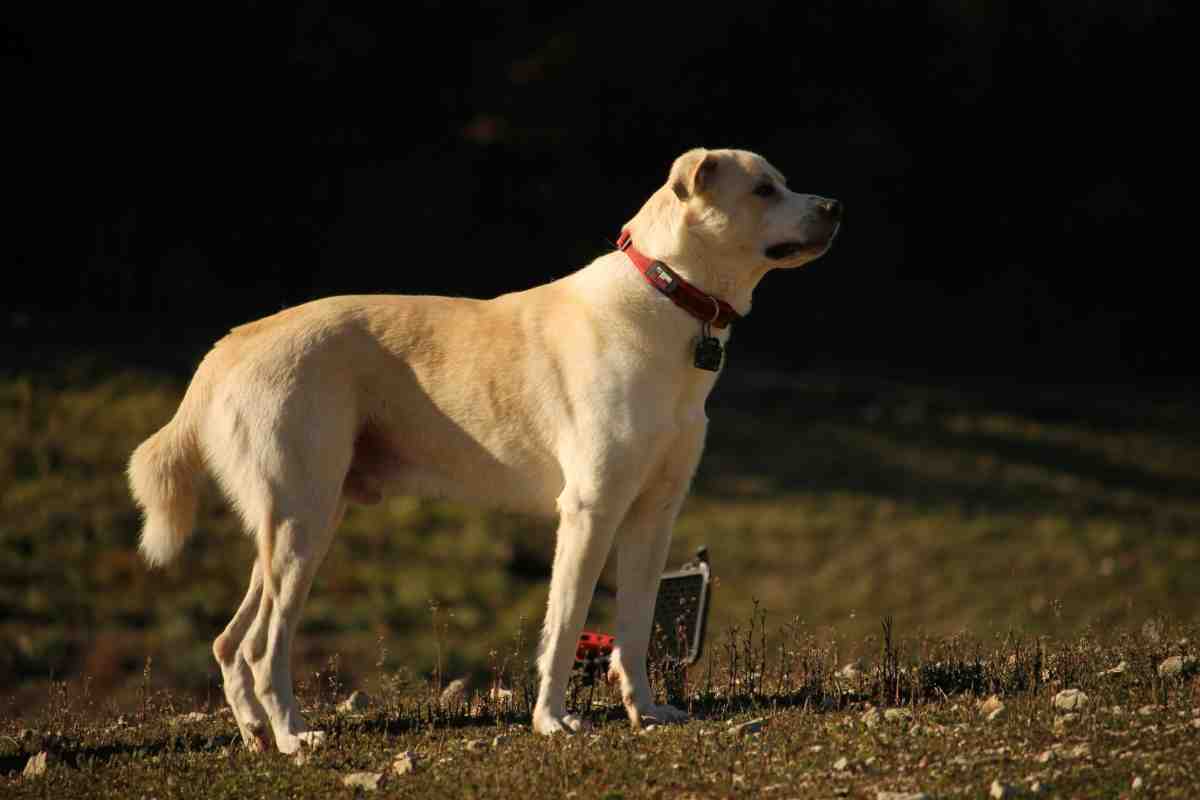
Invisible Fence Collar Beeping Not Shocking? Here’s How to Fix It
You hear the warning beep. Your dog hears it too. Then your dog trots right across the boundary like nothing happened.
It’s a frustrating moment, and a worrying one. An invisible fence only works when the warning tone is backed up by a correction your dog can actually feel.
If you’re dealing with an invisible fence collar beeping not shocking, the good news is that this problem is usually simple. In most cases, it comes down to a weak connection, a tired battery, or a setting that got changed. Let’s walk through exactly what to check, in the order that saves you the most time.
Quick Answer: Why Is My Invisible Fence Collar Beeping Not Shocking?
An invisible fence collar beeping not shocking usually points to weak skin contact, low battery power, or a low correction level. Test it with a test light, replace the battery, switch to longer contact points, and confirm the collar matches your transmitter.
First, Understand How the Collar Is Supposed to Work
Knowing the sequence helps you pinpoint where it breaks down.
- A transmitter sends a radio signal through the boundary wire buried around your yard.
- Your dog’s collar picks up that signal when your dog gets close to the wire.
- The collar beeps first. This is the warning.
- If your dog keeps going, the collar delivers a static correction through two metal contact points.
So an invisible fence collar beeping not shocking tells you something useful. The collar is receiving the signal, which means your wire and transmitter are probably working. The problem is most likely in the collar itself or how it sits on your dog.
A quick note on terms. The “shock” is really a static correction, similar to a sharp static spark. It’s designed to be startling, not harmful. If you’re unsure about the correction levels, read your manual before adjusting anything.

Step 1: Check How the Collar Fits (The Most Common Culprit)
With an invisible fence collar beeping not shocking, look at the fit before you blame the battery or buy a new collar. Poor skin contact causes more of these cases than any other issue.
The contact points need to touch your dog’s skin. They can’t just rest on fur.
What to check:
- Can you fit more than one finger between the strap and your dog’s neck? If so, it’s too loose.
- Is the collar sliding around or rotating when your dog moves?
- Are the contact points pressed flat against the skin, or sitting on top of a thick coat?
The fit rule most trainers use: snug enough that you can slide one finger under the strap, but no more. Any tighter and you risk irritation. Any looser and the correction won’t reach your dog.
Common Mistake: Fur Is Blocking the Contact Points
Long-haired and double-coated breeds are the classic case. Think Golden Retrievers, Huskies, Bernese Mountain Dogs, and Aussies.
The standard short contact points simply can’t reach through the coat. Switch to the longer contact points that come with most collars. If your dog’s coat is very thick, you can also trim the fur around the collar area, but only if you are comfortable doing that safely.
✓ Pros of fixing the fit
- Free and takes about two minutes
- Solves the majority of “beeping but no correction” cases
- No new equipment needed
✗ Cons
- Long contact points can irritate the skin if left on 24/7
- Needs rechecking as your dog’s coat changes through the seasons
Step 2: Test the Collar With a Test Light
Please don’t test the collar on your own hand to see if it works. The correction can be uncomfortable, and you’ll get no useful information about whether the right strength is being delivered.
Use a test light tool instead. Most fence kits include one, and they’re inexpensive to replace.
How to test:
- Attach the test light across the two contact points.
- Take the collar toward the boundary wire (or hold it near the transmitter if your manual says so).
- When the collar beeps and moves into correction, the light should flash or glow.
What the result tells you:
- Light flashes: The collar is delivering a correction. The problem is almost certainly fit or contact.
- No light at all: The collar isn’t producing a correction. Move on to the battery and settings checks below.
This one test splits your invisible fence collar beeping not shocking problem cleanly into “fit issue” or “collar issue,” which saves a lot of guessing.
Step 3: Replace the Battery (Even If You Think It’s Fine)
A weak battery is the second most common cause of an invisible fence collar beeping not shocking. And here’s what trips people up: a collar can have just enough power to receive the signal and sound a beep, but not enough to produce a correction.
Batteries are rated for a certain life, but real-world use varies. Many collars need a fresh battery every few months, depending on how often your dog wears it and how often it fires.
Tips for battery swaps:

- Use the exact battery type listed in your manual. Many collars use a 6-volt lithium battery, but models differ.
- Buy from a reputable seller. Cheap knock-off batteries often die early.
- Check the battery compartment for moisture, corrosion, or a damaged seal.
- Close the compartment firmly so the gasket seats properly.
Some collars also give a low-battery signal, such as a different beep pattern or a flashing light. Check your manual for what yours does.
✓ Pros
- Cheap and fast
- Fixes a very high share of weak-correction problems
✗ Cons
- Needs doing regularly
- Poor-quality replacement batteries can bring the problem right back
Step 4: Check the Correction Level Setting
Many collars let you pick a correction level, and some have a tone-only mode. If someone in your household bumped a dial, or a setting was changed during training, your collar may be set to beep without correcting, which looks exactly like an invisible fence collar beeping not shocking.
What to look for:
- A dial or switch on the collar set to the lowest level or “tone only”
- A training mode that was never switched back
- A collar that was reset after a battery change
Set the level according to your dog’s size and temperament. Start low and increase gradually. Most dogs respond well to a lower level, and a sensitive dog doesn’t need more than that.
Step 5: Clean and Inspect the Contact Points
Over time, contact points collect dirt, oil, hair, and mineral build-up. They can also loosen or wear down.
Quick maintenance routine:
- Remove the contact points with the tool that came with your kit.
- Wipe them with a damp cloth and let them dry fully.
- Check for rust, bending, or rounded-off tips.
- Screw them back in firmly. A loose point is as bad as a missing one.
If the threads on the collar look damaged, or a point spins without tightening, the collar may need repair or replacement.
Step 6: Confirm the Collar Matches Your Transmitter
This one catches people after they replace or add a collar. Collars and transmitters need to work on compatible frequencies, and not every collar works with every system.
Check these things:
- Did you buy the collar from the same brand and system as your fence?
- Does the frequency listed on the collar match your transmitter?
- Is the collar a replacement for a different model?
Mismatched equipment can cause an invisible fence collar beeping not shocking, or behave strangely in other ways. You may get a tone but no correction, or inconsistent behavior from one day to the next. When in doubt, confirm compatibility with the manufacturer before assuming the collar is broken.
Step 7: Look at the Boundary Wire and Transmitter
With an invisible fence collar beeping not shocking, the wire is probably carrying a signal. But a weak or inconsistent signal can still cause odd behavior.
Signs of a wire problem:
- The beep happens in some parts of the yard but not others
- The warning zone seems smaller than it used to be
- The transmitter shows a fault light or alarm
Wire breaks often happen where a lawn aerator, shovel, or tree root has cut the line. If you suspect this, see our guide on [Internal Link: how to find and repair a broken invisible fence wire].
Fix Options at a Glance
Here’s a comparison of fixes for an invisible fence collar beeping not shocking, to help you decide where to start.
| Fix / Scenario | Key Highlight | Best For | Rating / Durability |
|---|---|---|---|
| Adjust collar fit | Free, instant, solves most cases | Any dog with a loose-feeling collar | ★★★★☆ Needs rechecking as coat changes |
| Long contact points | Reaches skin through thick fur | Golden Retrievers, Huskies, Aussies | ★★★★☆ Long-lasting, check skin regularly |
| New battery | Restores full correction power | Collars that beep but test light stays dark | ★★★☆☆ Lasts months, then repeat |
| Reset correction level | Corrects accidental setting changes | Households with multiple people handling the collar | ★★★★★ Permanent once set |
| Clean/replace contact points | Restores clean electrical contact | Older collars with dirty or worn points | ★★★★☆ Lasts a year or more |
| Replace the collar | Fixes internal electronics faults | Collars that fail the test light after all other checks | ★★★★★ Years of reliable use |
| Professional service | Handles wire and transmitter faults | Weak signal across the whole yard | ★★★★☆ Depends on the repair |
When It’s Time to Replace the Collar
If you’ve checked the fit, swapped the battery, cleaned the contact points, confirmed the settings, and the test light still stays dark, the receiver inside the collar has likely failed. That is the last explanation for an invisible fence collar beeping not shocking once every other check is done.
Collars take a beating. Water, drops, and chewing all add up, and internal electronics can die even when the outside looks perfect.
✓ Pros of replacing
- A new collar restores full, reliable function
- Often includes fresh contact points and a new battery
- Gives you peace of mind about your dog’s safety
✗ Cons
- It’s the most expensive fix
- You must buy a model compatible with your system
If your collar is still under warranty, contact the manufacturer or installer first. Many offer repair or replacement. And if you’re shopping, our guide to [Internal Link: best invisible fence collars for stubborn or long-haired dogs] covers what to look for.
Common Mistakes That Keep the Problem Alive
Even careful owners fall into these traps when fixing an invisible fence collar beeping not shocking.
- Testing on a person’s hand. It’s uncomfortable, and it tells you nothing precise. Use a test light.
- Turning the level up too high. More power doesn’t fix a contact problem. It just makes the correction harsher when contact finally happens.
- Ignoring the coat. Many owners never realize their dog’s fur is the issue.
- Using the wrong battery. A battery that looks right but isn’t can leave you with a collar that beeps and never fires.
- Leaving the collar on all day. Long wear can irritate the skin and cause sores. Remove it for a while each day and check the neck.
- Skipping retraining. If your dog has learned the fence doesn’t work, you’ll likely need to refresh the training once the collar is fixed.
A Word About Safety and Your Dog’s Behavior
If your collar hasn’t been correcting for days or weeks, your dog may now be crossing the boundary on purpose. That’s understandable. Dogs learn fast.
Until you’re sure the fence works, supervise your dog outside or use a leash or secure area. A fence that doesn’t correct is not a safe fence, and the danger is real: traffic, other animals, and getting lost.
Once the collar is working again, restart the training steps gently. Use flags, praise, and short sessions. Don’t just flip the system back on and hope. A few days of patient retraining can reset the boundary in your dog’s mind.
Frequently Asked Questions
Why is my invisible fence collar beeping not shocking?
Usually it’s poor contact with the skin, a weak battery, or a low or tone-only setting. The beep means the collar is receiving the signal, so the issue is most often in the collar’s fit or power rather than the wire.
How do I test if my invisible fence collar is working?
Use a test light tool across the contact points and bring the collar near the boundary. If the light flashes when the collar beeps, it’s delivering a correction. If it stays dark, check the battery, settings, and contact points.
How often should I replace the battery in an invisible fence collar?
It depends on the model and how often the collar is used, but many need a new battery every few months. Check your manual for the recommended interval, and replace it right away if correction seems weak.
Can a thick coat stop the collar from working?
Yes. Fur can keep the contact points from touching the skin, so the collar beeps but can’t deliver a correction. Longer contact points or a properly fitted collar usually solve it.
Final Thoughts
When you face an invisible fence collar beeping not shocking, start with the simple things. Check the fit, test with a light, swap the battery, and confirm the settings. Most of the time, one of those four steps fixes it.
If none of them work, the collar itself may be at fault, or there may be a deeper issue with the wire or transmitter. In that case, get the equipment checked rather than guessing.
Your dog’s safety depends on that correction being reliable. A few minutes of troubleshooting now can protect them for years. And if you want to keep the whole system in good shape, take a look at our [Internal Link: invisible fence maintenance checklist] to catch problems before they start.


