
Best GPS Dog Fence in 2026: Complete Guide & Comparison
If your dog treats your yard’s boundary as more of a “suggestion” than a rule, a GPS dog fence might be the easiest fix you haven’t tried yet. No trenching, no buried wire, no calling an installer — just a collar, an app, and a boundary you draw yourself.
But with half a dozen brands all claiming to be “the most accurate,” picking the right one is confusing. This guide breaks down exactly how GPS dog fences work, compares the top models side by side, and helps you land on the right pick for your yard and your dog.
What Is a GPS Dog Fence?
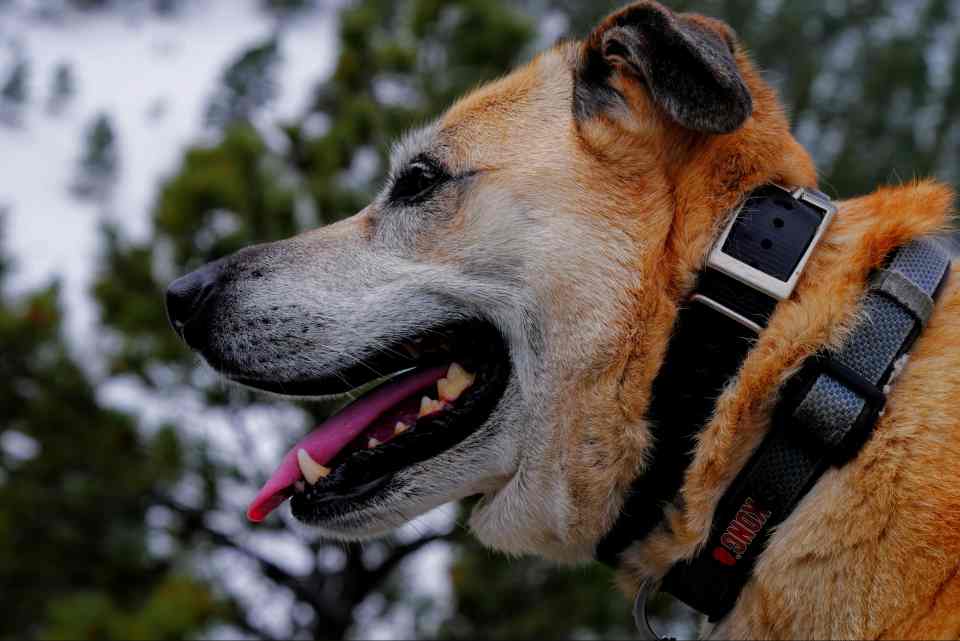
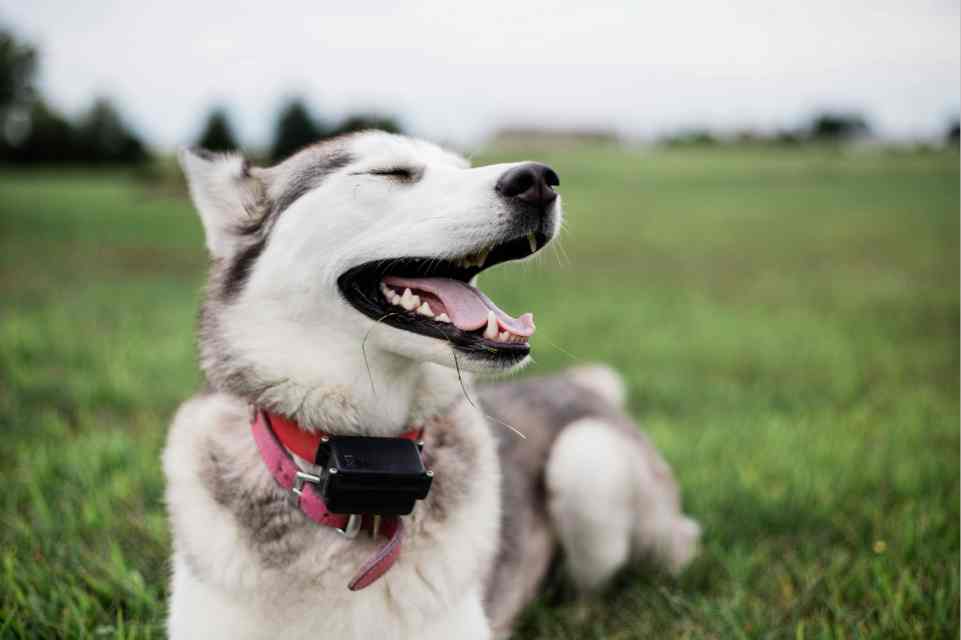
A GPS dog fence is a wireless containment system built around a smart collar and a satellite signal, not a wire buried in the ground. You open an app, draw a boundary around your property on a map, and the collar takes it from there.
As your dog nears the edge of that boundary, the collar gives a warning tone. If they keep going, it escalates — usually to a vibration, and on some systems, an adjustable static correction. Cross back inside, and the warnings stop.
Because there’s no wire, you’re not limited to a fixed shape. Fences can be redrawn in minutes, adjusted for a new rental property, or paused entirely when you have guests over.
How GPS Fences Compare to Other Containment Options
|
Fence Type |
Setup |
Flexibility |
Upfront Cost |
Best For |
|---|---|---|---|---|
|
GPS Fence |
App-based, DIY, ready same day |
Redraw anytime, works on irregular land |
$400–$1,000 |
Large, oddly shaped, or rental properties |
|
In-Ground Wired Fence |
Requires trenching/burial |
Fixed once installed |
$150–$400+ install |
Small, simple, permanent yards |
|
Physical Fence |
Contractor install |
Fixed |
$2,000+ |
Full visual barrier, resale value |
GPS fences win on flexibility. In-ground wired fences win on tight, tree-heavy boundaries where a few feet of GPS drift matters. Physical fencing wins if you also want to keep other animals out, not just your dog in.
Top GPS Dog Fence Brands Compared
Pricing and specs shift often in this category, so treat the table below as a snapshot and always confirm current pricing before buying.
| Feature | Halo Collar 5 | SpotOn Nova | PetSafe Guardian GPS 2.0 |
|---|---|---|---|
| Upfront Price | ~$524–$599 | ~$924–$999 | ~$399–$449 |
| Subscription | Required (~$9+/mo) | Optional (fence works without it) | Optional |
| Min. Fence Size | 900 sq ft (30×30 ft) | ⅓–½ acre | ⅓ acre+ |
| Battery Life | Up to 48 hrs | 14–25 hrs | Up to 70 hrs |
| Connectivity | LTE + Wi-Fi + Bluetooth | LTE + Bluetooth | LTE + Bluetooth |
| Best For | Small/suburban yards, budget-conscious owners | Large, wooded, or irregular land | Owners who want zero recurring fees |
The honest takeaway: there’s no single “winner.” Halo is the strongest pick for small suburban yards and lower upfront cost. SpotOn is built for large, tree-covered, or oddly shaped rural land where accuracy under cover matters most. PetSafe’s Guardian line is the budget-friendliest option if you never want to think about a subscription again.
Key Factors to Consider Before Buying
1. Property size and shape Small, simple yards can work with almost any GPS fence. Large, wooded, or irregular land benefits from a system with tighter accuracy under tree cover.
2. Subscription tolerance Some brands lock core containment features behind a monthly plan. Others charge only for optional live tracking. Decide upfront whether you’re comfortable paying every month, or whether a one-time cost matters more to you.
3. Dog size and temperament Smaller or lighter dogs need a collar sized correctly, since many GPS collars have a minimum neck size or weight requirement. High-energy or high-prey-drive dogs need a system with a faster response time, since a slower correction can let a fast-moving dog blow through the boundary.
4. Battery life and charging routine Battery life ranges from roughly 14 hours to several days depending on the brand and whether tracking is active. If you’re not someone who reliably charges a collar every night, this matters more than it seems.
5. Training support A GPS fence only works if your dog understands it. Look for a brand that includes a structured, in-app training program rather than assuming your dog will “figure it out.”
How to Set Up a GPS Dog Fence: Step by Step
- Charge the collar fully before first use.
- Download the app and create your account.
- Draw your boundary on the satellite map, keeping a buffer zone away from roads or hazards.
- Fit the collar snugly — two fingers should fit between collar and neck.
- Start with a supervised training period. Most brands recommend 1–2 weeks of leashed walks along the boundary so your dog learns the warning tone before it’s relied on off-leash.
- Test in different weather and times of day before fully trusting the fence unsupervised.
Pros and Cons of GPS Dog Fences
Pros:
- No digging, no wire, no installer
- Boundary can be resized or moved anytime
- Works on rentals, vacation homes, and irregular lots
- Many systems double as a GPS tracker
Cons:
- GPS drift means the boundary isn’t pixel-perfect (accuracy typically ranges 2–6 feet depending on brand and conditions)
- Heavy tree cover can affect signal on lower-end systems
- Ongoing subscription costs on some brands
- Requires a real training period — it’s not “set and forget” on day one
Frequently Asked Questions
Is a GPS dog fence as reliable as a physical fence? It’s reliable for a well-trained dog on suitable land, but it relies on GPS signal and battery charge, so it isn’t a substitute for supervision with a known escape artist or a very small property.
How accurate are GPS dog fences really? Most modern systems claim accuracy between roughly 2 and 6 feet under good conditions, though heavy tree cover, buildings, or hilly terrain can increase drift on some models.
Do GPS dog fences work without Wi-Fi or cell service? Many brands support offline or preloaded fence modes for use without a live signal, though features like real-time tracking usually require connectivity.
What size yard do I need for a GPS fence? Minimums vary by brand, from as small as 900 square feet to a half-acre or more, so check the specific system’s minimum before buying.
Do I have to pay a monthly subscription? It depends on the brand. Some require a subscription for the fence to function at all, while others only charge extra for optional live tracking.
How long does it take to train a dog on a GPS fence? Most brands recommend a one-to-two-week supervised training period before letting your dog use the fence unsupervised.
Final Verdict
If you want the lowest upfront cost and a guided training program, Halo Collar is the easier entry point. If you’re dealing with a large, wooded, or irregular property and want the tightest possible accuracy, SpotOn is worth the higher price tag. If you’d rather avoid a subscription altogether, PetSafe’s Guardian GPS 2.0 is the simplest long-term option.
Whichever you choose, the fence is only half the equation — pairing it with a proper training period is what actually keeps your dog safely inside the lines.
This post contains affiliate links. We may earn a commission if you make a purchase, at no additional cost to you.
Is a GPS dog fence as reliable as a physical fence?
It’s reliable for a well-trained dog on suitable land, but it relies on GPS signal and battery charge, so it isn’t a substitute for supervision with a known escape artist or a very small property
How accurate are GPS dog fences really?
Most modern systems claim accuracy between roughly 2 and 6 feet under good conditions, though heavy tree cover, buildings, or hilly terrain can increase drift on some models.
Do GPS dog fences work without Wi-Fi or cell service?
Many brands support offline or preloaded fence modes for use without a live signal, though features like real-time tracking usually require connectivity.
What size yard do I need for a GPS fence?
Minimums vary by brand, from as small as 900 square feet to a half-acre or more, so check the specific system’s minimum before buying.
Do I have to pay a monthly subscription?
It depends on the brand. Some require a subscription for the fence to function at all, while others only charge extra for optional live tracking.
How long does it take to train a dog on a GPS fence?
Most brands recommend a one-to-two-week supervised training period before letting your dog use the fence unsupervised.
Shakeel Ahmed
Dog fence reviewer, BarkBoundary
Shakeel has tested wireless and in-ground dog fences since [2019] and owns [german shepherd]. His reviews focus on real durability, battery life, and safety for different dog temperaments.




3 Comments