
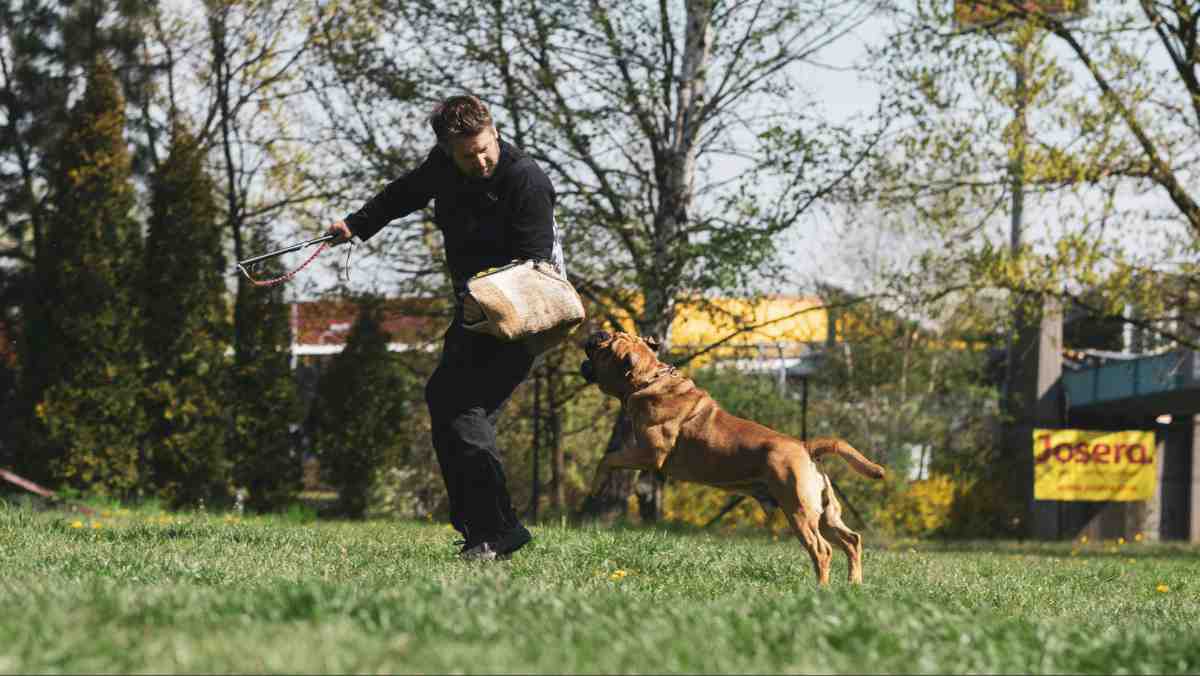
The Real Timeline of Dog Training: A Step-by-Step Guide for Owners
Professional dog training isn’t a quick fix — it’s a step-by-step process built on clear communication, timing, and consistency. Trainers start by evaluating a dog’s behavior before teaching foundational commands like sit, stay, and recall. From there, leash manners and real-world distractions are added gradually, so the dog listens everywhere, not just at home. Owners play a huge role too, with just 10-15 minutes of daily practice making a real difference over time. Depending on the goal, results can take anywhere from a few weeks for basic manners to several months for deeper behavior work. Understanding this timeline helps owners stay patient, consistent, and set up for real success.

How Professional Dog Training Works: Process, Requirements, and Realistic Timelines
Quick Summary: Professional dog training isn’t magic — it’s a clear system of communication between you and your dog, built on consistency and repetition. Professional Dog Training Real progress depends just as much on what happens at home between sessions as it does on the training itself. If you understand the process and stay consistent, most dogs show meaningful improvement faster than owners expect.
Many dog owners start Professional Dog Training expecting quick results. A trainer works with the dog for a few weeks, and suddenly everything clicks, right? Not quite. Training is really a partnership — and understanding how it actually works will save you a lot of frustration (and help your dog succeed a lot faster).
Here’s an honest, practical breakdown of what really happens during dog training, what’s expected of you, and how long things realistically take.
Core Principles of Professional Dog Training
Good training isn’t about dominance or “showing the dog who’s boss.” It’s about clear, simple communication.
Positive reinforcement is the foundation. When a dog does something right, they get rewarded — a treat, praise, or something else they value. This makes them want to repeat the behavior.
Timing matters more than most people realize. A reward given even two or three seconds late can accidentally reinforce the wrong behavior. This is why trainers are so precise about when they reward, not just what they reward.
Marker cues solve the timing problem. A marker is a short, consistent sound or word — like “yes!” or a clicker — that tells the dog “that exact thing you just did is correct” the instant it happens. The reward (treat, praise) follows right after.
A few things to keep in mind:
- Dogs don’t understand English — they understand patterns and associations
- Consistency in tone and word choice matters more than the specific words you choose
- Correction-based methods can suppress behavior temporarily but don’t build lasting understanding
The Step-by-Step Training Process
Training almost always follows a logical progression. Skipping steps is one of the biggest reasons dogs seem “stuck.”
1. Behavior evaluation Before any commands are taught, a trainer observes the dog — temperament, energy level, existing habits, and any red flags like fear or reactivity. This shapes the whole plan.
2. Foundational commands This is where most people start: Sit, Stay, Down, and Recall (come when called). These are taught in a low-distraction environment first, like a quiet room.
3. Leash manners Once basic commands are solid, leash work begins — loose-leash walking, not pulling, and polite greetings. This usually starts in the yard or driveway before moving anywhere busier.
4. Adding real-world distractions This is the step people often forget. A dog that sits perfectly in the living room may completely ignore you at the park. Trainers gradually add distractions — other dogs, people, noise — so the dog learns to listen everywhere, not just at home.
Each stage builds on the last. Rushing ahead before a dog is ready almost always backfires.
Daily Requirements for Dog Owners
Here’s the part that surprises a lot of people: you are doing most of the actual training, not the trainer.
- 10–15 minutes of daily practice is usually enough — but it needs to happen every day, not just on weekends
- Short, upbeat sessions work better than long, tedious ones; dogs (like people) lose focus fast
- Clear family rules matter — if the dog isn’t allowed on the couch, that needs to apply to everyone in the house, every time
- Avoid mixed signals — if one person says “off” and another says “down” for the same behavior, the dog gets confused and progress stalls
Think of the trainer as a coach and yourself as the one doing the daily reps. The sessions teach the skill; your consistency at home is what makes it stick.
Essential Tools Used in Training
You don’t need anything complicated or harsh to train a dog well. In fact, the best training tends to rely on very simple tools:
- High-value treats — small, soft, and something the dog doesn’t get any other time (think cooked chicken or freeze-dried liver, not regular kibble)
- A treat pouch — keeps rewards accessible so your timing stays sharp
- A clicker — a simple, consistent marker sound that’s more precise than the human voice
- A 10–20 ft long line — used for recall practice, giving the dog freedom to explore while you keep control
None of these involve force or discomfort. Tools like shock collars, choke chains, or prong collars are not part of a positive, relationship-based training approach and are generally avoided by trainers who prioritize trust and communication over suppression.
Realistic Dog Training Timelines
This is the question every owner wants answered, and it deserves an honest answer: it depends on the goal.
Basic Commands & Household Manners: 2 to 4 weeks Sit, stay, down, come, and not jumping on guests — most dogs pick these up fairly quickly with daily practice.
Intermediate Obedience & Leash Control: 4 to 8 weeks Reliable loose-leash walking and solid recall around mild distractions takes longer to build, since it requires more self-control from the dog.
Behavior Modification (Severe Barking, Reactivity, Fear): 3 to 6+ months Deep-rooted behavioral issues aren’t a matter of teaching something new — they involve changing an emotional response. This takes patience, and progress is often gradual rather than dramatic.
Puppy Basics & Habit Building: 3 to 6 months of continuous practice Puppies are learning everything for the first time — house manners, bite inhibition, socialization, and basic commands all at once. It’s less about speed and more about steady, ongoing consistency during this window.
A helpful way to think about it: teaching a command is fast. Building a reliable habit takes weeks. Changing an emotional reaction takes months. All three are “training,” but they’re not the same task.
Common Mistakes That Delay Progress
Most training setbacks come down to a handful of avoidable habits:
- Shouting or raising your voice — this usually creates stress or confusion rather than clarity
- Inconsistent commands — switching between “down” and “off,” or “come” and “here,” slows learning
- Skipping daily practice — even a few missed days can cause noticeable backsliding, especially early on
- Poor timing — rewarding or correcting too late sends the wrong message entirely
- Expecting instant results — training is cumulative; comparing your dog’s week-two progress to a “finished” dog sets everyone up for disappointment
The good news? Every one of these is fixable. Awareness is usually half the battle.
Final Thoughts
Professional Dog Training your dog isn’t just about obedience — it’s about building a shared language and a relationship built on trust. The dogs who progress fastest aren’t necessarily the “smartest” ones; they’re the ones whose owners show up consistently, stay patient, and keep communication clear.
Give it time, stay consistent, and celebrate the small wins along the way. That’s really what professional training comes down to.
Shakeel Ahmed
Dog fence reviewer, BarkBoundary
Shakeel has tested wireless and in-ground dog fences since [2019] and owns [german shepherd]. His reviews focus on real durability, battery life, and safety for different dog temperaments.