Dog’s Sleep Position: 5 Warning Signs to Know
What Your Dog’s Sleep Position Is Really Telling You
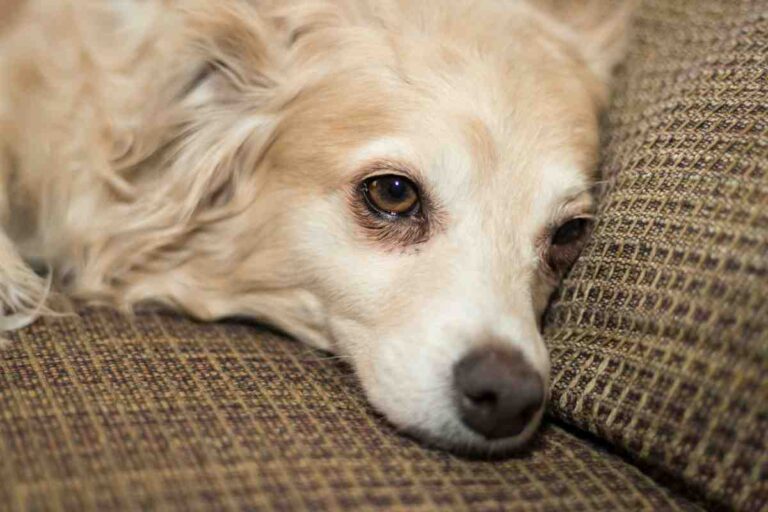
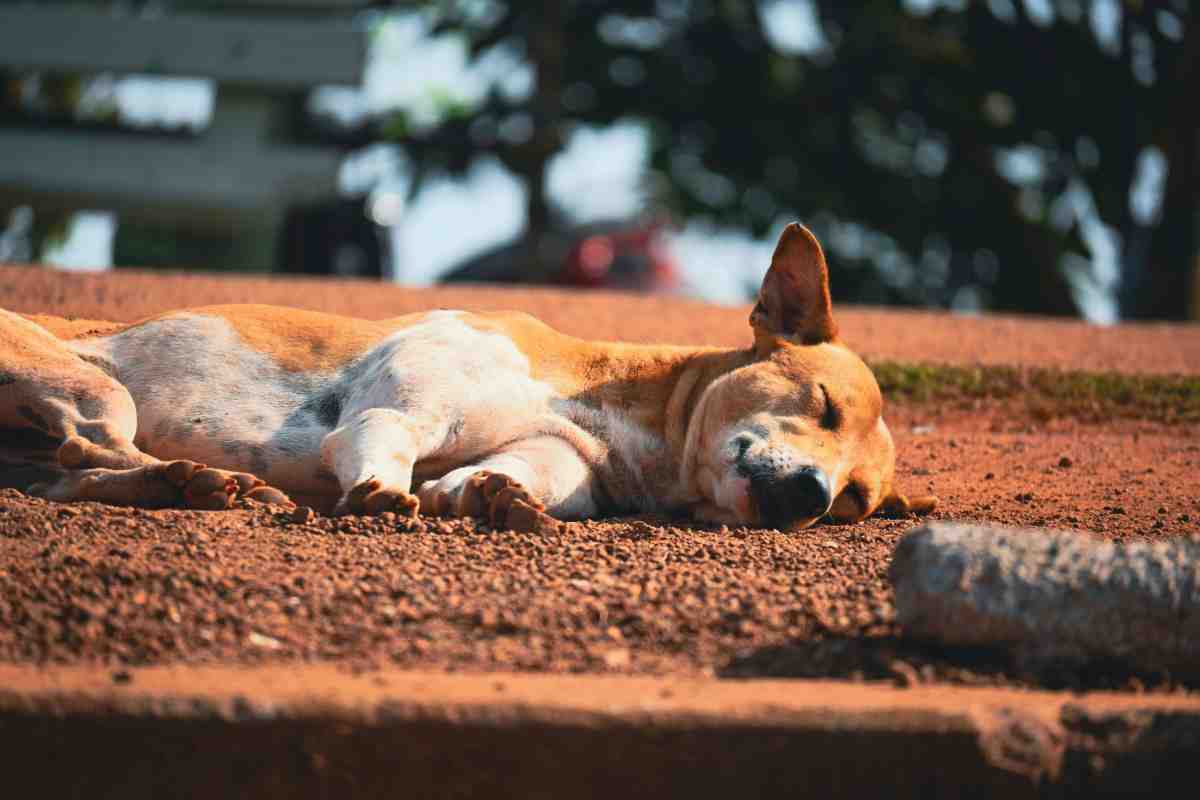
You glance over at your dog mid-nap and something catches your eye. Maybe it’s the odd curl of the body, or how tense the legs look for a dog who’s supposed to be relaxed. Your dog’s sleep position can feel like a small thing, but it’s actually one of the most honest signals your dog gives you all day.
“Dogs don’t fake how they rest,” says Dr. Amara Whitfield, a veterinary behaviorist with 15 years of clinical experience. “A dog’s sleep position often reveals discomfort long before limping or appetite changes show up. It’s one of the few moments a dog fully lets its guard down, so it’s worth paying attention to.”
This guide breaks down exactly what different dog sleep positions mean, which ones are perfectly normal, and which ones deserve a closer look. No panic, just clarity.
At a Glance: Dog’s Sleep Position Warning Table
| Observed Behavior / Sign | What It Means | Immediate Owner Action |
|---|---|---|
| Tight, hunched “praying” curl | Possible abdominal or joint pain | Watch for whimpering when touched; note frequency |
| Refusing to lie on one side | Pain or sensitivity on the avoided side | Gently check that side for swelling, heat, or a lump |
| Heavy panting while lying still | Anxiety, overheating, or heart strain | Check room temperature and breathing rate at rest |
| Leg twitching with yelping or startled waking | Usually dreaming; rarely seizure activity | Time the episode; note disorientation afterward |
| Flat, motionless sleep for unusually long stretches | Lethargy from illness, pain, or low mood | Monitor eating, drinking, and energy on waking |
1. Why Dog Sleep Position Matters More Than You Think
Most owners assume sleep is just downtime, but a dog’s sleep position is actually a window into how their body feels. Dogs can’t tell you where it hurts, so posture becomes one of their clearest forms of communication.
Behaviorists often use sleep position as an early screening tool during checkups. If your dog’s sleep position shifts suddenly and stays that way for more than a few days, it’s rarely random.
What to track:
- How your dog usually sleeps on a “normal” day
- Any recent changes in activity, diet, or environment
- Whether the new position appears every nap or only sometimes
2. The Hunched “Praying” Curl
Some dogs naturally curl up tight for warmth, and that’s completely normal, especially in cooler months. This particular Dog’s sleep position becomes a concern when it looks forced rather than cozy.
A dog guarding stomach pain will often pull the back legs in tight against the belly, almost like a bow shape. This position is sometimes linked to abdominal discomfort, pancreatitis, or bloating.
What to do:
- Gently press near the belly while your dog is calm and awake
- Note whether the curl happens every single nap
- Log any vomiting, drooling, or appetite loss alongside it
3. Avoiding One Side Completely
Dogs are creatures of habit, so having a favorite side isn’t alarming by itself. A sudden, consistent refusal to use a side your dog used to sleep on comfortably is a different story.
This Dog’s sleep position change often points to localized pain from arthritis, an ear infection, a healing injury, or a hidden lump.
What to do:
- Run your hands slowly along the avoided side, checking for heat or swelling
- Check the ear on that side for odor or redness
- Note if the switch happened right after a walk, jump, or fall
4. Heavy Panting or Restlessness During Rest
Light panting after play is nothing to worry about. Heavy panting during an otherwise still dog sleep position, especially in a cool room, is worth watching closely.
This can signal anxiety, unresolved pain, or in older dogs, early heart or respiratory strain.
What to do:
- Confirm the room is actually cool enough that panting isn’t needed
- Check gum color; pale or bluish gums need immediate care
- Note whether the panting passes quickly or lingers
5. Leg Twitching, Yelping, or Sudden Waking
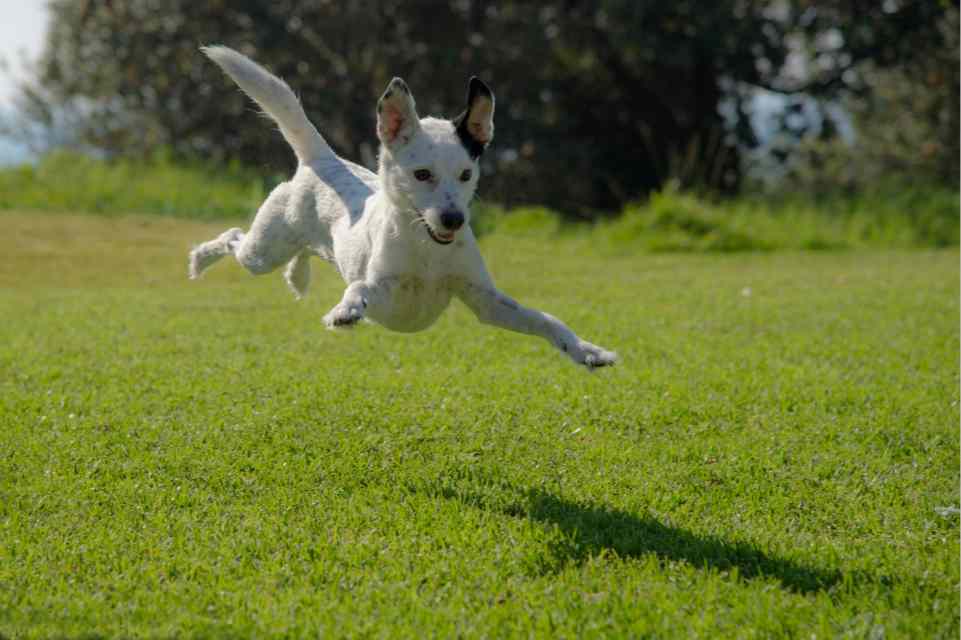
Twitching paws and soft muffled barks during sleep are usually just dreaming. The line gets crossed when twitching turns into stiff paddling or your dog wakes up disoriented and unsteady.
That combination can point to seizure activity rather than a normal dream cycle, even if it only happens once.
What to do:
- Time the episode; dream twitches rarely last past 30 seconds
- Check if your dog recognizes you immediately after waking
- Film it on your phone if it happens again, since vets find video helpful
6. Unusually Long, Motionless Sleep
Dogs sleep a lot, often 12 to 14 hours daily, so long naps alone don’t mean much. A dog sleep position that stays flat, heavy, and unmoving far longer than usual is the real signal to watch.
This pattern can reflect exhausting pain, an underlying illness, or low mood following a big change at home.
What to do:
- Compare current sleep hours to your dog’s normal monthly baseline
- Check enthusiasm for food and walks right after waking
- Rule out recent changes like a new pet or the loss of a companion animal
7. Neck Stretched Out Unnaturally
A relaxed dog usually curls or rests the neck gently. A neck stretched stiffly outward is an unusual dog sleep position that can signal trouble breathing or swallowing.
This shows up more in flat-faced breeds like Pugs and Bulldogs, but it can happen in any dog with airway irritation.
What to do:
- Listen for snoring that sounds new, wetter, or more labored
- Watch for open-mouth breathing paired with the stretched neck
- Note any recent nasal discharge or sneezing
Vet Safety Checklist: Normal vs. Emergency
Completely normal:
- Curling up for warmth in cold weather
- Occasional twitching that stops within seconds
- A preferred sleeping side that hasn’t changed in weeks
- Light snoring that has always been part of your dog’s routine
Needs a vet visit:
- Consistent avoidance of one side of the body
- Panting or restlessness while resting in a cool room
- Twitching paired with disorientation upon waking
- Pale, blue, or gray gums at any time
- A sudden, unexplained shift in total sleep hours
- Whimpering or flinching when a specific area is touched
Frequently Asked Questions
What does it mean when a dog’s sleep position suddenly changes? A sudden change in dog sleep position usually points to discomfort, often from joint pain, an injury, or an infection. If the new position lasts more than a couple of days, a vet check is a good idea.
Is it normal for dogs to twitch a lot while sleeping? Yes, mild twitching during sleep is normal and usually means your dog is dreaming. It only becomes concerning if it lasts longer than 30 seconds or your dog wakes up confused.
Can a dog’s sleep position indicate pain? Yes, dogs often adjust their sleep position to protect a sore area, such as curling tightly around the abdomen. Persistent changes paired with flinching or low energy are worth mentioning to your veterinarian.
Final Thoughts
You know your dog better than any checklist ever could, and that instinct that made you look twice tonight matters. Most of the time, a new dog sleep position is just your dog finding a comfortable new habit.
But on the rare night it isn’t, noticing early gives your dog a shorter, gentler path back to feeling good. That quiet attention you’re paying right now, while your dog rests peacefully nearby, is already doing right by them.
Shakeel Ahmed
Dog fence reviewer, BarkBoundary
Shakeel has tested wireless and in-ground dog fences since [2019] and owns [german shepherd]. His reviews focus on real durability, battery life, and safety for different dog temperaments.