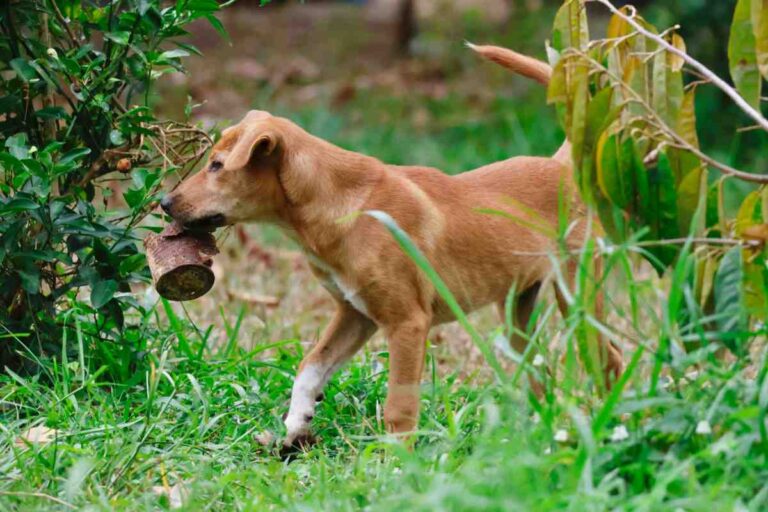
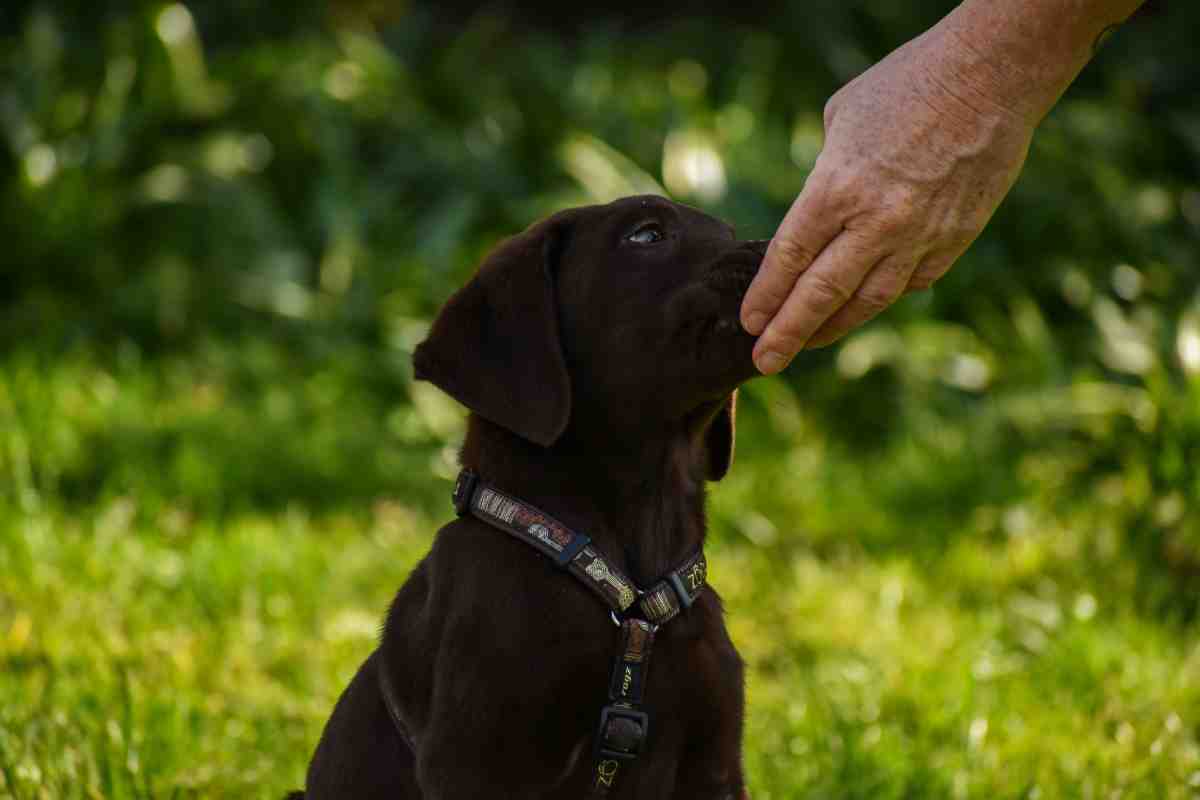
Why Dogs Lick Hands and Feet: The Real Meaning
You barely sit down and your dog is already there, tongue working over your fingers or your feet like it’s their favorite task in the world. For some owners it’s endearing. For others, it’s constant enough to raise a real question: why do dogs lick hands and feet so much, and is it something to worry about?
The short answer is that dogs lick hands and feet for a mix of instinct, communication, and sometimes health reasons — and once you understand which one applies to your dog, the behavior becomes much easier to manage.
This guide breaks down every common reason behind why dogs lick hands and feet, what each type of licking actually means, and exactly what to do about it.
At a Glance: Behavior, Meaning, and Action
| Observed Behavior / Sign | What It Means | Immediate Owner Action |
|---|---|---|
| Soft licking during calm cuddle time | Affection and bonding | Enjoy it — this is healthy behavior |
| Licking spikes right after you come home | Scent investigation | Let it run its course, usually brief |
| Licking before meals or during hunger | Learned attention-seeking | Keep feeding times consistent |
| Licking you can’t interrupt or redirect | Possible anxiety or compulsion | Track frequency, consider enrichment |
| Licking with drooling or lip-smacking | Possible nausea or dental pain | Monitor closely, consider a vet visit |
| Licking only one household member | Attachment-based comfort seeking | Normal, watch for separation anxiety |
| Sudden new licking habit after a change | Stress response to routine shift | Reintroduce stability and reassurance |
Why Dogs Lick Hands and Feet in the First Place
Licking starts in puppyhood, when pups lick their mother’s mouth to trigger feeding. That instinct doesn’t disappear — it just gets redirected toward the humans a dog trusts most.
Once you understand why dogs lick hands and feet, the behavior stops feeling random. Below are the most common drivers.
Affection and Bonding
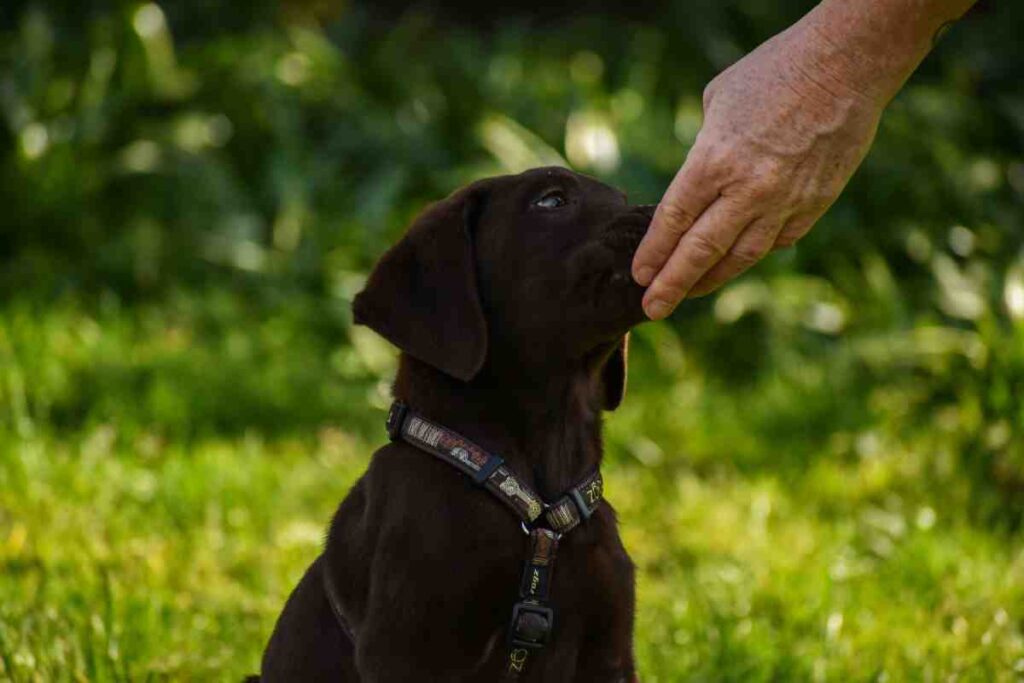
Licking triggers oxytocin release in dogs, the same bonding hormone linked to human affection. This is one of the most common — and healthiest — reasons dogs lick hands and feet.
- Usually happens during quiet, relaxed moments
- Tends to be gentle rather than frantic
- Often stops naturally once your dog feels settled
If your dog also leans their body weight against you during these moments, that’s another affection signal worth knowing — our guide on why dogs lean against you covers that pattern in detail.
Scent and Taste Exploration
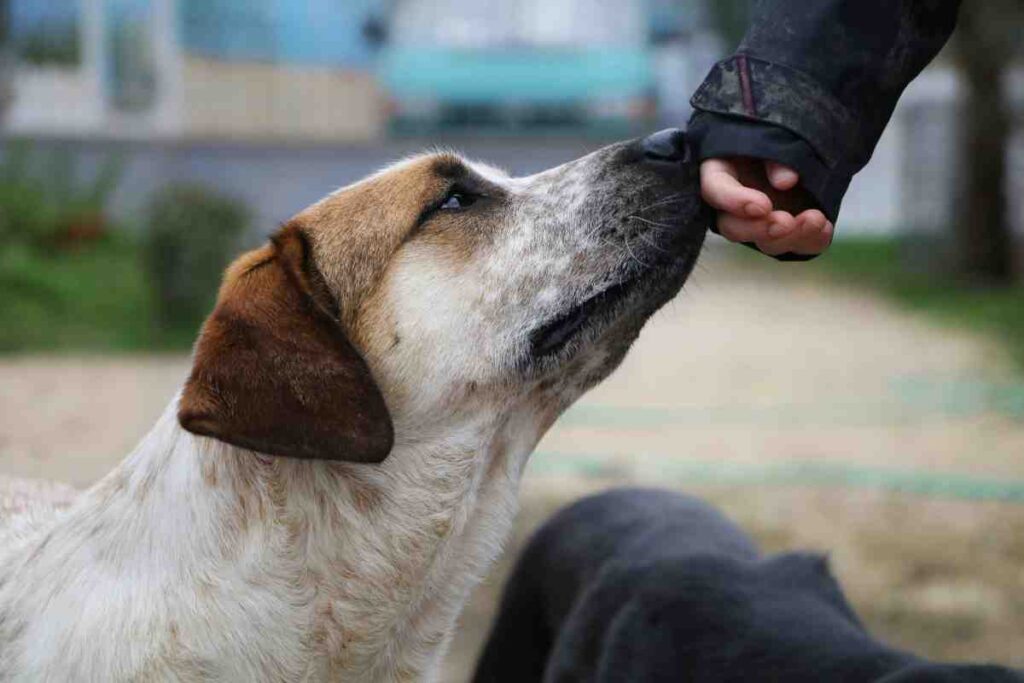
Hands and feet carry salt, sweat, and traces of everything you’ve touched. Dogs experience much of the world through taste and smell, so this kind of licking is part investigation.
- Common after cooking, gardening, or a workout
- Often stronger right when you arrive home
- Usually short-lived once curiosity is satisfied
Anxiety-Driven Licking
This is where licking shifts from sweet to concerning. Anxious licking tends to be repetitive, hard to interrupt, and paired with other stress signals like pacing or panting.
Watch for:
- Licking that ramps up right before you leave the house
- Licking directed at your feet when you seem upset
- Licking that continues even without an obvious trigger
Dogs showing this pattern often display other nighttime stress behaviors too — if that sounds familiar, our piece on dog barking at night is worth a read.
A Learned Habit
Dogs are sharp pattern-spotters. If licking has ever earned attention, laughter, or a treat, your dog may have learned that licking reliably gets a reaction, even a mildly negative one.
- Notice if licking always precedes something, like a walk or snack
- Dogs repeat behaviors that produce a predictable response
- This is easily corrected with calm, consistent redirection
A Medical Signal
Sometimes the reason dogs lick hands and feet has nothing to do with the person and everything to do with how the dog feels internally. Nausea, gastrointestinal discomfort, or dental pain can all present as excessive licking.
- Drooling or lip-smacking alongside licking deserves attention
- A sudden onset (rather than a gradual increase) is worth tracking
- Senior dogs developing new licking habits should be checked for dental issues
Breed Tendencies
Certain breeds are simply more oral by nature. Retrievers, herding breeds, and dogs bred for close human partnership tend to lick more as part of how they communicate.
- This is a trait to understand, not a problem to eliminate
- High-drive breeds may lick more when under-stimulated
- Daily enrichment often reduces excess licking in these dogs
If your dog also chews or licks furniture and countertops, that overlaps with foraging instinct — our article on dog stealing food off counter explains a related pattern.
How to Gently Redirect the Behavior
If licking has become excessive, even when it’s affectionate, you can shift the habit without breaking the bond behind it.
- Offer a chew toy the moment licking starts, giving your dog something else to do with their mouth
- Avoid yanking your hand away suddenly, since that can turn into a game and reinforce the habit
- Reward calm behavior instead of licking, so your dog learns a new way to get attention
- Add more physical and mental exercise, since bored dogs often lick more out of restlessness
When to See a Vet
Most licking is completely normal, but a few signs mean it’s worth a professional check.
Normal — no cause for concern:
- Occasional gentle licking during affectionate moments
- Licking after you’ve handled food or been outside
- Licking that stops easily once redirected
Worth a vet visit:
- Licking paired with visible drooling or gulping
- Sudden, intense licking with no clear trigger
- Licking alongside appetite loss or low energy
- Licking that continues even during rest or sleep
- Skin irritation on your hands from constant contact, paired with a dog who seems unable to stop
Frequently Asked Questions
Why do dogs lick hands and feet more than other body parts? Hands and feet carry a high concentration of sweat and scent, making them especially interesting to a dog’s nose and taste receptors. Feet are also linked to movement and routine, like walks, which adds an extra layer of curiosity.
Is it unhealthy for dogs to lick hands and feet constantly? Occasional licking is a normal sign of affection or curiosity. Constant, hard-to-interrupt licking is worth monitoring, since it can point to anxiety, boredom, or an underlying medical issue.
How can I stop my dog from licking without discouraging affection? Redirect with a toy or chew as soon as licking starts, rather than pulling away abruptly. Consistently rewarding calm behavior over licking teaches your dog a new way to connect with you.
Final Thought
Understanding why dogs lick hands and feet gives you a clearer window into what your dog is feeling, whether that’s affection, curiosity, or a signal worth paying closer attention to. Watch the context, respond with patience, and this small daily habit becomes one more way you understand your dog a little better.
Shakeel Ahmed
Dog fence reviewer, BarkBoundary
Shakeel has tested wireless and in-ground dog fences since [2019] and owns [german shepherd]. His reviews focus on real durability, battery life, and safety for different dog temperaments.