
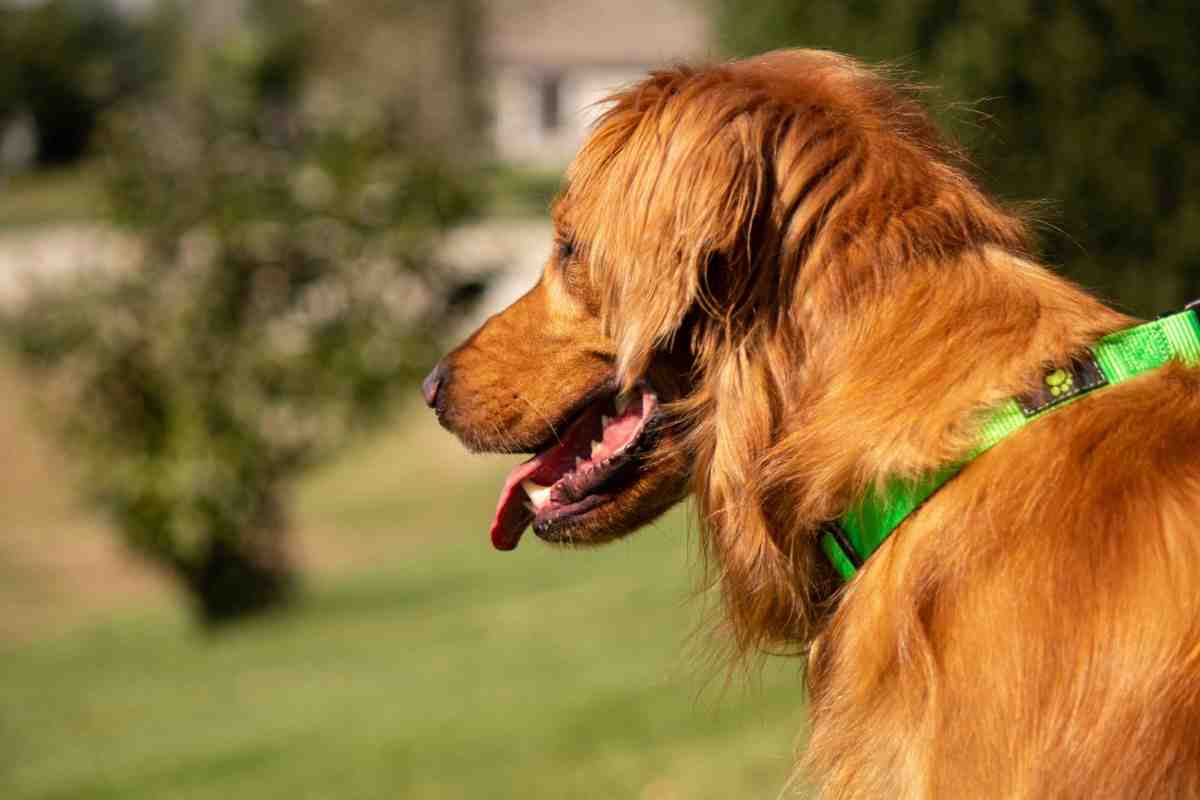
Invisible Fence Collar Levels Explained
You flip the dial on your dog’s receiver collar and freeze. Level 2? Level 4? Does it even matter?
It matters a great deal. Setting the wrong level is the number one reason invisible fence training fails. Too low, and your dog learns to ignore the boundary. Too high, and you risk a dog who is scared of the yard, the collar, or both.
This guide explains invisible fence collar levels in plain language. You’ll learn what each setting means, how to find your dog’s right level, and the warning signs that you’ve gone too far.
At a Glance: Invisible Fence Collar Levels Solution Matrix
Use this quick table to match what you see in your dog to what to do next.
| Observed Behavior / Sign | What It Means | Immediate Owner Action |
|---|---|---|
| Dog hears the warning tone, then walks through the boundary | Collar level is too low, or training is incomplete | Go back to flag training. Raise the level only one step at a time. |
| Dog flinches, pauses, then turns back at the warning tone | The collar level is working | Keep the current setting. Reward calm retreats. |
| Dog yelps, bolts, or refuses to go outside | Level is too high, or the dog is fearful | Drop to a lower level immediately. Reduce yard time and rebuild confidence. |
| Dog ignores the collar only when excited (squirrel, mail carrier) | High-arousal distraction beats the current level | Retrain with distractions. Consider a one-step increase, not a jump. |
| Red marks or irritation on the neck | Poor fit or too much contact time | Check fit, rotate collar position, and call your vet if it persists. |
| Dog stops responding after weeks of success | Collar battery low, poor contact, or the dog has habituated | Test the collar, check the fit, and review your levels. |
What Are Invisible Fence Collar Levels, Really?
An invisible fence, also called a wireless or in-ground electronic fence, uses a receiver collar. When your dog approaches the boundary, the collar gives a warning signal first. If your dog keeps going, it adds a correction.
Invisible fence collar levels control how strong that correction is. Most systems offer somewhere between 3 and 8 settings, though the exact number depends on the brand and model.
Many also include a tone-only mode. This gives the warning beep with no static correction, and it’s often the best place to start for sensitive dogs.
One thing to know before anything else: the numbers are not universal. A level 3 on one brand is not a level 3 on another. Always read your own manual.

Breaking Down the Typical Collar Levels
Every manufacturer labels things a little differently. This is the general pattern you’ll see across most systems.
1. Tone-Only or Vibration Mode
This is your starting point. The collar beeps (and on some models vibrates) with no static correction at all.
Many dogs, especially sensitive breeds, learn the boundary on tone alone. Once the tone is meaningful, they respond to it without needing anything more.
2. Low Levels (Roughly 1 to 2)
Low levels deliver a very mild static sensation. Think of the tickle you feel when you touch a doorknob in winter, only softer.
For small, soft-tempered, or very sensitive dogs, low levels may be all you ever need. They are also where nearly every dog should begin.
3. Medium Levels (Roughly 3 to 4)
This is where most average-temperament dogs land. The sensation is clearly noticeable. A well-trained dog should stop and turn back as soon as they feel it.
If your dog is a calm medium-to-large breed and responds to the warning tone, this range often does the job.
4. High Levels (Roughly 5 and Up)
High levels are meant for stubborn, high-drive, or thick-coated dogs who have not responded at lower settings. They are not the default, and they are not where you should begin.
Think of a high level as a last resort, not a shortcut. Jumping here can cause fear, anxiety, and in some cases lasting avoidance of your own yard.
Key insight: The goal is the lowest level your dog reliably responds to, not the strongest one the collar offers.

How to Choose Between Invisible Fence Collar Levels
5. Find the Right Level, Step by Step
Choosing a level is less about a number and more about your dog’s reaction. Here’s a simple way to do it.
Step 1: Start With Tone Only
Begin with the lowest setting or tone-only mode. During flag training, walk your dog on a leash toward the boundary. Let the warning tone sound, and guide them back with praise.
Most dogs connect the beep with the flags within a few days. That connection is the foundation of everything else.
Step 2: Watch Body Language, Not the Dial
Look for a small, clear reaction. A good response includes an ear flick, a pause, a head turn, or a quick change of direction.
You do not want yelping, running, trembling, or freezing. Those signs mean the level is too high.
Step 3: Move Up One Step at a Time
If your dog ignores the sensation, increase by only one level. Test again in a calm setting.
Skipping several levels at once is the most common mistake owners make. It trades a training problem for a fear problem.
Step 4: Test With Real Distractions
A dog that stays in the yard when it’s quiet might still dash after a squirrel. Practice with controlled distractions like a friend walking by or a favorite toy tossed just past the line.
This is where you’ll find out whether your chosen invisible fence collar levels hold up in real life.
Does Breed, Size, or Coat Change Your Collar Level?
Many owners assume invisible fence collar levels should scale with body weight. They don’t. Temperament matters more than weight.
A 12-pound terrier with a strong prey drive may push through a boundary a mellow 80-pound Labrador would never test. Here’s how common factors play in.
- Sensitive breeds (Border Collies, Whippets, Vizslas) often do best on tone-only or very low levels.
- Strong-willed or high-drive breeds (Huskies, Beagles, some terriers) may need a bit more, along with more training time.
- Thick or long coats can reduce contact. Trim the hair under the probes or use longer probes so the collar touches skin properly.
- Small dogs need a collar designed for their size and a low starting point.
If your dog also pulls hard or reacts to everything on walks, read our guide on [Dog Leash Reactivity: Causes and Fixes] (insert internal link here). Boundary training works much better when your dog already has solid basic manners.
7 Common Mistakes With Invisible Fence Collar Levels
Most boundary failures trace back to a handful of avoidable errors.
- Starting too high. Always begin at the bottom of your invisible fence collar levels and work up.
- Skipping flag training. The collar alone doesn’t teach a boundary. Flags and a leash do.
- Using the collar as punishment. The collar marks the boundary. It should never be used to correct barking, digging, or anything else.
- Poor collar fit. If it’s loose, contact is inconsistent. If it’s too tight, it can irritate the skin.
- Leaving the collar on all day. Give your dog’s neck a break to avoid pressure sores.
- Ignoring battery or contact checks. A weak battery can lead to unreliable correction and confused dogs.
- Trusting it completely. No electronic fence stops a determined dog or a dog from the outside coming in.
Key insight: An invisible fence works best as one layer of safety, not the only one. Supervise your dog outdoors, especially at first.
When an Invisible Fence Collar Is Not the Right Tool
Electronic fences are not a fit for every dog. Be honest about your dog’s personality before you commit. Even perfectly tuned invisible fence collar levels can’t fix a fearful temperament.
They are generally not recommended for:
- Dogs with a history of aggression, since the sensation can add to stress or redirected behavior
- Very anxious or fearful dogs, who may become more fearful
- Puppies too young to train (follow your manufacturer’s age guidance, often around 6 months)
- Dogs with certain medical conditions, which your vet should assess first
If your dog is anxious, a traditional fence, a long-line, or supervised leash time may be safer. For dogs who bark or pace when left alone outside, our article on [Separation Anxiety in Dogs: Signs and Solutions] may help you decide what’s really going on.
When to See a Vet: Safety Checklist
Whatever you choose from the invisible fence collar levels on your dial, the collar should never cause pain, injury, or lasting behavior changes. Use this checklist to know when to stop and call a professional.
Normal and expected:
Your dog pauses, flinches slightly, or turns back at the boundary
Your dog is relaxed and happy in the yard between boundary approaches
Skin under the collar looks normal after removal
Your dog eats, plays, and sleeps normally
Stop using the collar and call your vet or a certified trainer:
Red, raw, or swollen skin under the contact points
Hair loss or sores on the neck
Your dog refuses to go outside or into parts of the yard
Sudden fear of the collar, the house, or you
Cowering, trembling, excessive panting, or hiding after a correction
New aggression, or a sharp change in appetite or sleep
Yelping or panicked running when the collar activates
If you see any sign, remove the collar first, then get help. A veterinary behaviorist or certified professional trainer can tell you whether the problem is the setting, the training, or the method itself.
Frequently Asked Questions
What is the best collar level for most dogs?
There is no single best level. The right setting is the lowest one your dog reliably responds to. Most dogs start with tone-only or the lowest static level and move up only when needed.
Can invisible fence collar levels hurt my dog?
At properly set invisible fence collar levels, the sensation is meant to be surprising, not painful. But too high a level, poor fit, or overuse can cause stress, fear, and skin irritation. If your dog shows pain or fear, lower the level or stop and consult your vet.
How long does it take for a dog to learn the boundary?
Most programs run two to four weeks of consistent, short daily sessions, though some dogs need longer. Follow your manufacturer’s training plan and don’t rush the stages.
Final Thoughts on Invisible Fence Collar Levels
Understanding invisible fence collar levels comes down to three habits: start low, move slowly, and watch your dog, not the dial. A calm dog who respects the flags and the warning tone is a far better result than a dog who stays in the yard out of fear.
If something feels off, trust your instincts. Lower the level, slow down the training, and bring in a professional when needed. Your dog’s confidence and comfort matter more than any boundary.
Looking for more help with yard safety and behavior? Browse our guide to [Best Ways to Stop Dogs From Escaping the Yard]


