
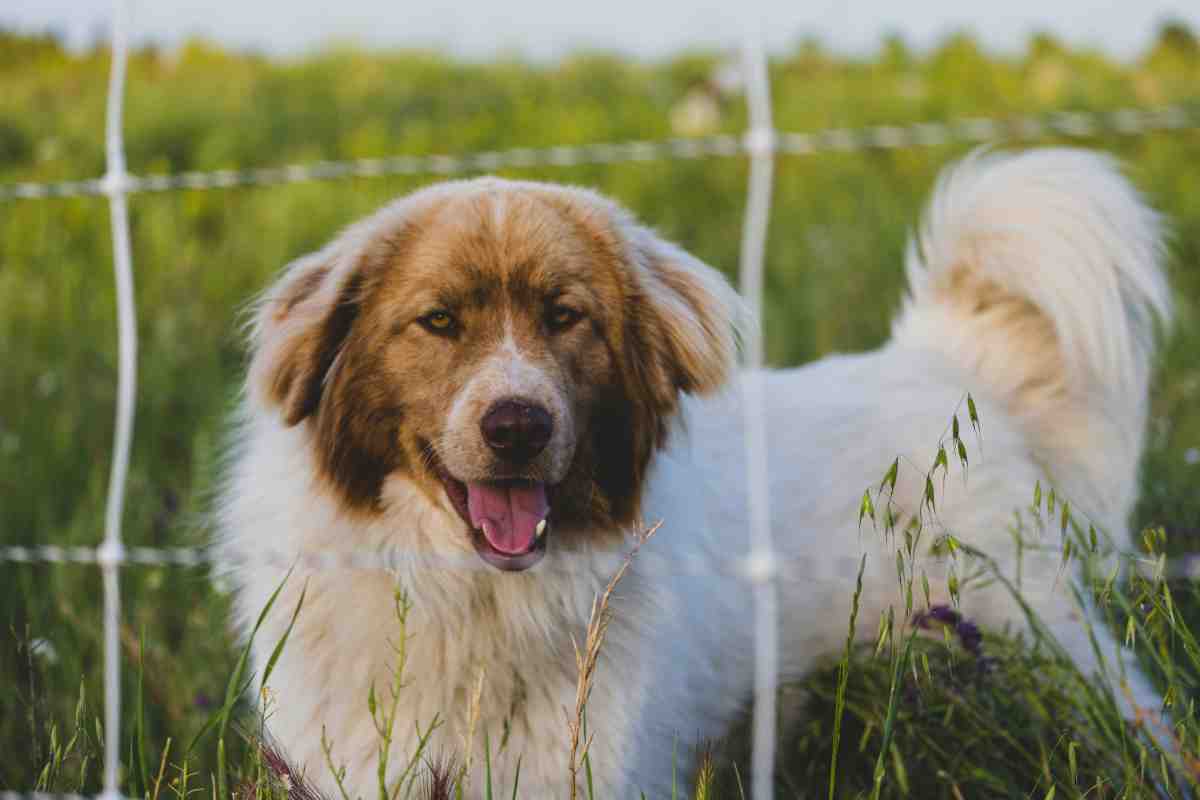
DIY Dog Fence Large Breeds: Build One That Holds
Your 90-pound Lab just cleared the neighbor’s recycling bin like an Olympic hurdler. Your Shepherd found the one loose board you forgot about. Sound familiar?
A diy dog fence large breeds project isn’t just a bigger version of a small-dog fence. Large dogs are stronger, taller, and far better at testing weak spots. This guide shows you how to build one that works, step by step, so your dog stays safe and you stop worrying every time the back door opens.
At a Glance: DIY Dog Fence Large Breeds Problems vs. Fixes
| Observed Behavior / Sign | What It Means | Immediate Owner Action |
|---|---|---|
| Dog jumps and hooks paws over the top | Fence is too short for your dog’s athletic reach | Raise the height to 5-6 ft or add an angled top extender |
| Fresh holes along the fence line | Digging escape or boredom | Add a buried L-footer or a concrete mow strip |
| Dog leans on or rams the fence | Posts or panels are too weak, or the dog is reacting to something outside | Re-set posts in concrete and add a visual barrier |
| Gate swings open on its own | Latch is too simple for a clever dog | Install a self-closing hinge and a lockable, dog-proof latch |
| Dog paces the perimeter nonstop | Stress, boredom, or under-exercise | Add exercise and enrichment, then check the fence for stress points |
| Gaps wider than 3-4 inches at the bottom | Easy squeeze-through or dig-under point | Fill gaps with ground-level wire or landscape blocks |
| Chew marks on boards or wire | Boredom, teething, or frustration | Swap to chew-resistant material and add chew toys |

Why a DIY Dog Fence Large Breeds Build Needs Different Rules
Large dogs hit a fence with real force. A running Great Dane or Rottweiler can bend thin wire like paper.
Weight, height, and drive decide everything. A calm Newfoundland needs a different fence than a Husky with a prey drive. Before you buy one board, answer three questions:
- How high can your dog jump from a standing start?
- Does your dog dig, climb, or chew?
- What lies outside the fence that excites your dog (squirrels, joggers, other dogs)?
Your dog’s personality matters more than the breed label. A bored dog escapes, and a stressed dog escapes faster.
If your dog also gets restless at night, read our guide on Dog Barking at Night to rule out anxiety before you blame the fence.
Test Your Dog’s Real Jump Height
Most owners guess. Guessing is how fences end up too short.
Watch your dog chase a ball against a wall or leap for a toy. Note how high the front paws reach, then add at least 12 inches for safety. That number is your minimum fence height.
Step 1: Pick the Right Height for Your DIY Dog Fence Large Breeds Plan
Height is the number one reason a diy dog fence large breeds build fails. Most owners go too low because they measure the dog standing still, not mid-leap.
General height guide:
- 4 feet: Calm, older, or heavy-bodied dogs (some Mastiffs, Saint Bernards)
- 5 feet: Most Labs, Goldens, and Boxers
- 6 feet: Athletic jumpers and climbers (Shepherds, Malinois, Huskies, Border Collie crosses)
When in doubt, go taller. Adding height later means redoing your posts.
Best Materials for Large Dogs
- Welded wire or no-climb horse fence (2×4 inch openings): Strong, affordable, and hard to chew through. Smaller openings at the bottom stop paws from slipping through.
- Wood privacy panels: Great for blocking distractions, but diggers and chewers can wreck them.
- Chain link: Durable, but athletic dogs can climb it unless you add a top barrier.
- Vinyl panels: Low-maintenance, though heavy dogs may crack thin sections.
Skip chicken wire. It looks cheap and fails fast against a large dog.

Plan the Layout Before You Dig
Avoid sharp, tight corners. Dogs that run the fence line build speed in corners and use them as launch points.
Rounded or angled corners slow them down. Also keep the fence at least a few feet away from trees, sheds, and decks that act as ladders.
Step 2: Build Posts That Don’t Wobble
Posts carry the whole load. A weak post turns the best fence into a trampoline.
Key rules for a diy dog fence large breeds setup:
- Set corner and gate posts in concrete. These take the most stress.
- Bury about one-third of the post length. A 6-foot fence needs a post roughly 8-9 feet long.
- Space line posts 6-8 feet apart (closer for heavy or forceful dogs).
- Use pressure-treated lumber or galvanized steel so posts survive moisture.
Before you dig, check for buried utilities. In the US, call 811. Elsewhere, contact your local utility provider.
Also check your local rules and any HOA limits on fence height. A fence that breaks the rules can cost you more than it saves.
Pro Tip for Stronger Corners
Brace every corner and gate post with a diagonal support or a horizontal rail. Large dogs push and lean, and bracing stops posts from slowly tilting.
Let concrete cure fully before you attach wire or panels. Rushing this step is the most common reason posts lean within a year.
Step 3: Stop Diggers, Climbers and Chewers Early
Large dogs don’t always jump. Many simply go under.
The smartest diy dog fence large breeds designs treat the ground as part of the fence, not an afterthought.
How to Dig-Proof Your Fence
- L-footer method: Bury wire 12-24 inches deep, then bend the bottom 12 inches outward in an “L.” Dogs dig straight down and hit the wire.
- Concrete or paver strip: Pour or lay a strip along the base. It costs more but lasts.
- Large rocks or landscape blocks: A fast, cheap barrier along the bottom.
- Dig box: Give your dog an approved digging spot with loose soil and buried toys.
Digging is behavior, not spite. Dogs dig from boredom, heat, prey drive, or stress.
If digging seems nonstop, see our guide on [How to Stop a Dog From Digging Under Fences] for training that works alongside your fence.
How to Stop Climbing and Hurdling
- Add an inward-leaning top extension (about 45 degrees). It makes the final pull-up harder.
- Remove climbable objects near the fence: picnic tables, stacked wood, trash bins, and even low shrubs.
- Use a roller bar (a free-spinning pipe along the top). Dogs can’t get a grip to pull themselves over.
How to Handle Chewing
Some dogs chew boards and wire out of frustration. Metal and vinyl-coated mesh stand up better than soft wood.
Offer durable chew toys and daily exercise too. A tired dog chews less.
Step 4: Fix the Weak Spots in Your DIY Dog Fence Large Breeds Setup
Most escapes don’t happen through the wall. They happen at the gate, the corners, or the ground.
Gates and Latches
- Use a self-closing hinge so the gate shuts even if you forget.
- Choose a latch with a lock or a two-step release. Smart dogs learn to flick simple lever latches.
- Hang the gate flush to the ground with a tight fit.
- Consider a double-gate setup (an airlock) if your dog bolts at open doors.
Corners and Bottom Gaps
Check every corner for slack. A gap wider than 3-4 inches at the bottom is an invitation for a determined dog.
Walk the perimeter weekly for the first month. Push, pull, and tug on every section. If you can wiggle it, your dog can too.
Step 5: Add Visual Barriers and Calm the Dog Inside
A strong fence solves the physical problem. It doesn’t fix the reason your dog wants out. Even the best diy dog fence large breeds build can’t cure boredom or fear on its own.
Fence-fighting and barking often come from what your dog sees outside. Cover the lower 2-3 feet with privacy slats, bamboo screening, or hedge planting.
That blocks the triggers: passing dogs, people, and bikes.
Give Your Dog a Reason to Stay
- Daily exercise: Large dogs usually need 45-90 minutes of real activity.
- Mental work: Puzzle feeders, snuffle mats, and training sessions tire a dog’s brain.
- Shade and water: Overheated dogs search for a way out.
- Company: Many dogs escape because they’re lonely, not because they’re bad.
If separation stress is part of the problem, a fence won’t fix it. Pair your build with the training steps in our [Dog Separation Anxiety Guide].
Teach Gate Manners
Train your dog to wait at the gate until you give a release word. It takes a few minutes a day and prevents door-dashing for life.
Reward calm behavior near the gate, not just at the end of a walk.
Step 6: Budget Options for a DIY Dog Fence Large Breeds Project
You don’t need a huge budget. You need smart spending in the right places. That rule matters most on any diy dog fence large breeds budget.
Spend more on:
- Corner and gate posts
- Concrete
- Latches and hinges
Save money on:
- Wire mesh instead of full wood panels
- Using existing property fences as one or more sides
- Buying materials in bulk or from farm supply stores
Rough material cost often runs a few dollars to over ten dollars per linear foot depending on your region and materials. Always price local options, because costs vary a lot.
What About Invisible and Wireless Fences?
Underground and wireless systems keep some calm dogs in a yard. But large, high-drive dogs often push through the correction if something exciting is outside.
They also don’t keep other animals or people out. For most big, athletic dogs, a physical fence is the safer choice. If you use an electronic system, work with a qualified trainer and watch your dog’s stress levels.
Step 7: Maintain Your Fence Like a Pro
A great build still needs upkeep. A diy dog fence large breeds build faces your dog’s tests every single day.
Monthly checklist:
- Look for new holes, loose posts, or stretched wire
- Tighten latches and hinges
- Trim plants or remove objects the dog can climb
- Check for sharp edges or exposed wire ends
After storms, walk the line again. Fallen branches and shifting soil can open gaps overnight.
When to See a Vet: Fence & Escape Safety Checklist
A diy dog fence large breeds setup protects your dog from the outside world. It can’t protect them from every injury or health issue. Use this checklist.
Normal / Monitor at Home
- Light panting after play that settles within minutes
- Minor dirt on paws from normal digging
- Occasional pacing during a new situation
- Dog sniffs the fence line but stays relaxed
Call Your Vet Promptly
- Limping, swelling, or reluctance to put weight on a leg after a jump or fall
- Cuts, torn nails, or bleeding paw pads from wire or digging
- Repeated chewing on fence materials (possible stress or compulsive behavior)
- Heavy, noisy panting, drooling, or collapse in hot weather (possible heatstroke, an emergency)
- Sudden new escape attempts in a previously calm dog (could signal pain, fear, or a medical change)
- Coat or skin damage from rubbing against the fence
If your dog shows heatstroke signs, seek emergency veterinary care immediately.
FAQs
How tall should a diy dog fence large breeds build be?
Most large dogs need a fence at least 5 feet tall. Athletic jumpers and climbers, such as Shepherds, Huskies, and Malinois, often need 6 feet or an angled top extension.
What is the cheapest way to build a fence for a large dog?
Welded wire or no-climb horse fence on sturdy posts is usually the most cost-effective option. Spend extra on corner posts, gates, and latches, because those are the weak points.
How do I stop my large dog from digging under the fence?
Bury wire in an L-shape 12-24 inches deep, or lay a concrete or paver strip along the base. Give your dog an approved digging spot and plenty of daily exercise to cut down on boredom digging.
Conclusion: Your DIY Dog Fence Large Breeds Plan
A well-planned diy dog fence large breeds project comes down to a few things: the right height, strong posts, a dig barrier, and a gate your dog can’t outsmart. Add enough exercise and mental work, and you’ll cut escape attempts before they start.
Build once, build strong, and check it often. Your dog gets freedom, and you get peace of mind.





One Comment